The Office of the Comptroller of the Currency last week rejected Bunq’s application to become a national bank, saying the Dutch fintech’s proposal “presents significant supervisory and compliance concerns.”
The OCC argued Bunq’s U.S. bank would be inadequately capitalized, its management inexperienced and its road to profit “unrealistic,” according to an Aug. 4 letter the regulator sent to the fintech.
“We would have loved a yes, but we also knew we had chosen one of the hardest routes into one of the toughest banking markets in the world,” the company said in a statement Friday. “We'll do what we always do: listen, adapt and keep moving forwards.”
The application, filed in January, is at least the second Bunq has sent to the OCC. The Dutch fintech previously sought a U.S. banking license in April 2023, hoping to tap into a digital-nomad user base. But the company withdrew its application after a 301-day wait, citing a “difference of views” between financial regulators in the U.S. and the Netherlands.
Despite a lack of success with the OCC thus far, Bunq secured a broker-dealer license in October with the Financial Industry Regulatory Authority.
Charter applications have spiked under OCC chief Jonathan Gould. But not every proposal gets a green light. U.K. fintech Wise’s application for a national trust bank charter was denied last month when the OCC said the institution’s organizers didn’t demonstrate “sufficient familiarity” with federal banking laws and regulations. The OCC also echoed state regulators’ concerns related to anti-money laundering compliance.
Bunq proposed its U.S. bank would be funded by $50 million from CEO Ali Niknam’s personal holdings. The fintech later indicated the capital would come from a dividend from the company to Niknam. Then, Bunq revised the figure to $58.3 million but didn’t provide details as to the source of availability of the added capital, the OCC said last week. The OCC also argued Bunq’s loan-loss assumptions were unsupported and its allowance for credit losses were not “credible based on peer analysis.”
The OCC also criticized Bunq’s proposed U.S. management over a lack of experience with the fintech’s primary credit product – unsecured credit cards.
“The proposed President and CEO has little knowledge of national banking laws and regulations, proposes to be part-time, and plans to allot a large portion of his time to entities other than bunq USB, as he will continue to serve on the board of other related entities,” the OCC said. “Although bunq USB’s proposed business plan is similar to that of bunq BV, the proposed directors did not demonstrate an understanding of the differences between the U.S. and European markets and the differences in credit and credit risk.”
Bunq revised its financial projections, increasing its allowance for credit losses, but with no supporting analysis, the OCC said.
The regulator also faulted Bunq’s business and marketing plans, saying they were “inadequately supported and unrealistic given competition for the unsecured credit cards in the U.S. market.”
“Bunq USB failed to consider and plan for expenses that would likely be necessary to compete effectively in the market given its lack of name recognition,” the OCC said.
The OCC also took issue with Bunq’s path to profitability. The company’s European commercial operations launched in 2015, but did not have a full year of profitability until fiscal 2023, coinciding with interest rate changes at the European Central Bank, the OCC said.
“When rates declined in 2024-2025, bunq BV’s profits also declined,” the regulator said.
In a LinkedIn post Saturday, Niknam appeared undeterred.
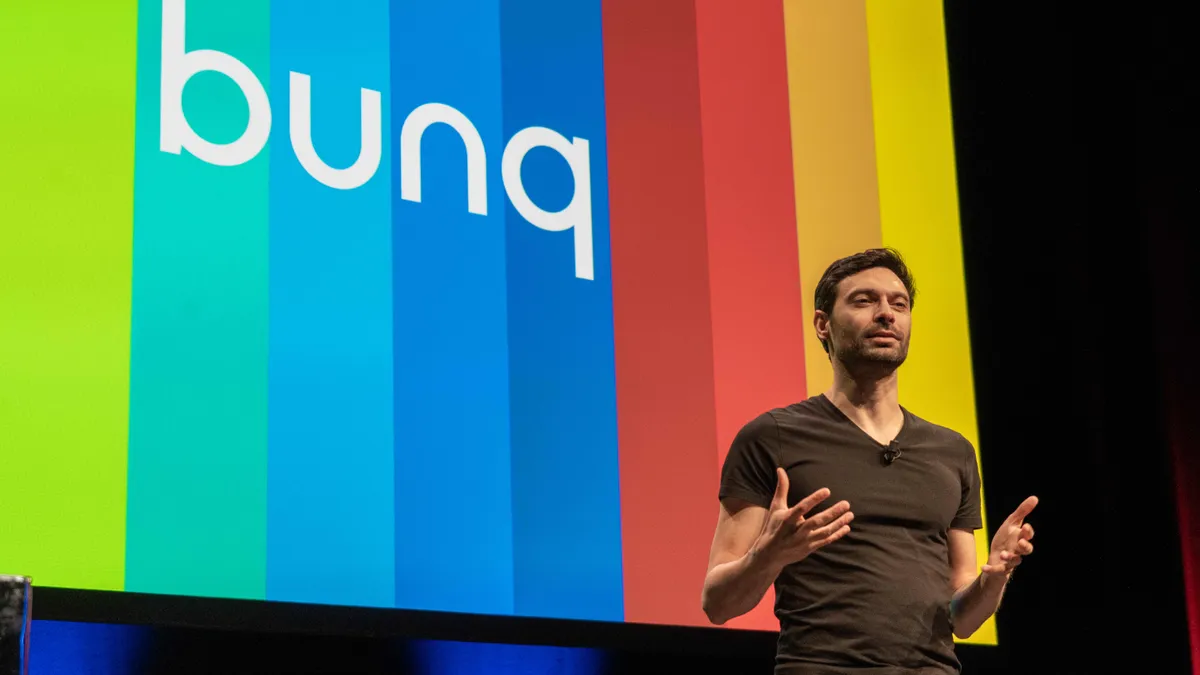
“If anything, this is a good reminder of just how remarkable it was in 2014 when we landed the first greenfield European banking license in 35 years. Back then, things seemed impossible too,” Niknam wrote. “I guess what I’m trying to say is: we’ve heard ‘no’ soooooo many times before. But we’re not the type to let that stop us.”
The OCC said it would expect any follow-on application to address the shortcomings it cited.
Bunq, in its Friday statement, thanked the OCC for its feedback.
“Giving up isn't in our blood,” the company said. “It isn’t in the spirit of the country we want to serve, either.”