Having received regulatory approvals, the founders of a Georgia de novo community bank are closing in on a minimum capital goal of $25 million.
Georgia Skyline Bank, based in Roswell, got the OK from the state’s banking and finance department and the Federal Deposit Insurance Corp. last month.
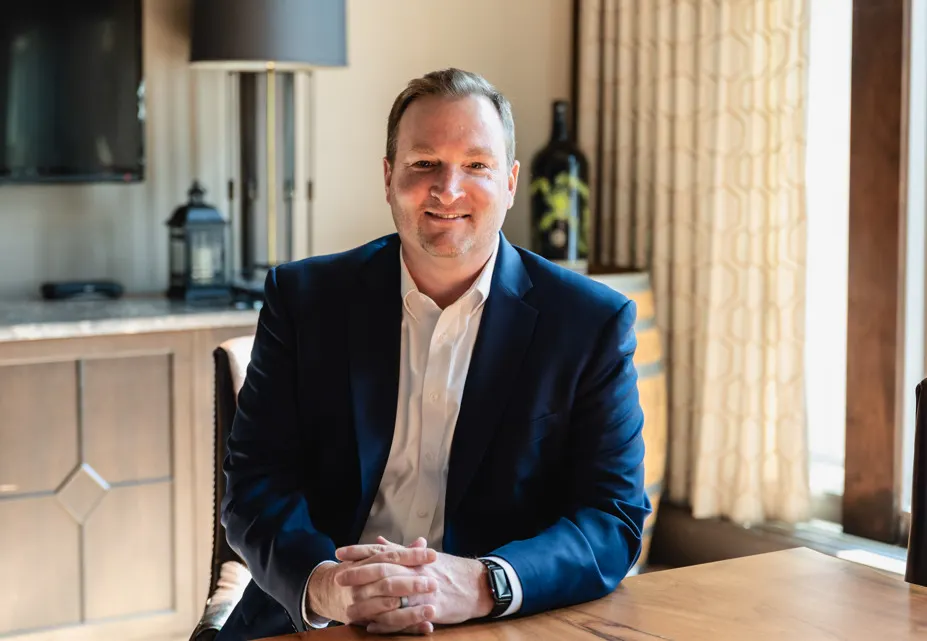
The new commercial lender seeks to offer “white-glove,” relationship-driven banking services to small businesses generating between $2 million and $50 million in annual revenue, said bank President Ryan Floyd.
Floyd and his co-founders, Nick Marsit and Phil Resch, all hail from The Piedmont Bank. That $2.1 billion-asset lender was acquired by United Bank at the outset of 2025, which inspired Floyd’s desire to strike out on his own.
“I just knew that I would not play well in that sandbox of the big bank,” Floyd said, contending that it’s harder to be “nimble and agile” and build relationships at a larger lender.
United, which now has about $32 billion in assets and 240 locations, has dual headquarters in Washington, D.C., and Charleston, West Virginia.
Floyd was a senior vice president at Piedmont, where he spent more than 15 years; Resch, who’d been Piedmont’s chief financial officer, and Marsit, the bank’s chief risk officer, were both being displaced in the acquisition due to role redundancy, Floyd said.
The three began pursuing their own banking endeavor, initially looking at seven banks that could be recapitalized and exploring whether that might offer a faster entry point.
However, each existing bank “had hair on it that we were not real comfortable with,” Floyd said, “or they wanted too much money for what they had.”
The executives opted for the de novo route instead. Floyd and his co-founders are working to raise between $25 million and $35 million, and expect to reach that minimum in about a month, Floyd said. The bank’s opening is scheduled for late February or early March, and industry veteran Steve Crowell has been hired as CEO.
The FDIC received the group’s application in June. “Patience is a virtue when it comes to the regulatory process,” Floyd said.
Trump-appointed regulators have been vocal about their desire for more de novo banks, although Floyd said he would like to see the process become ”a little more streamlined.”
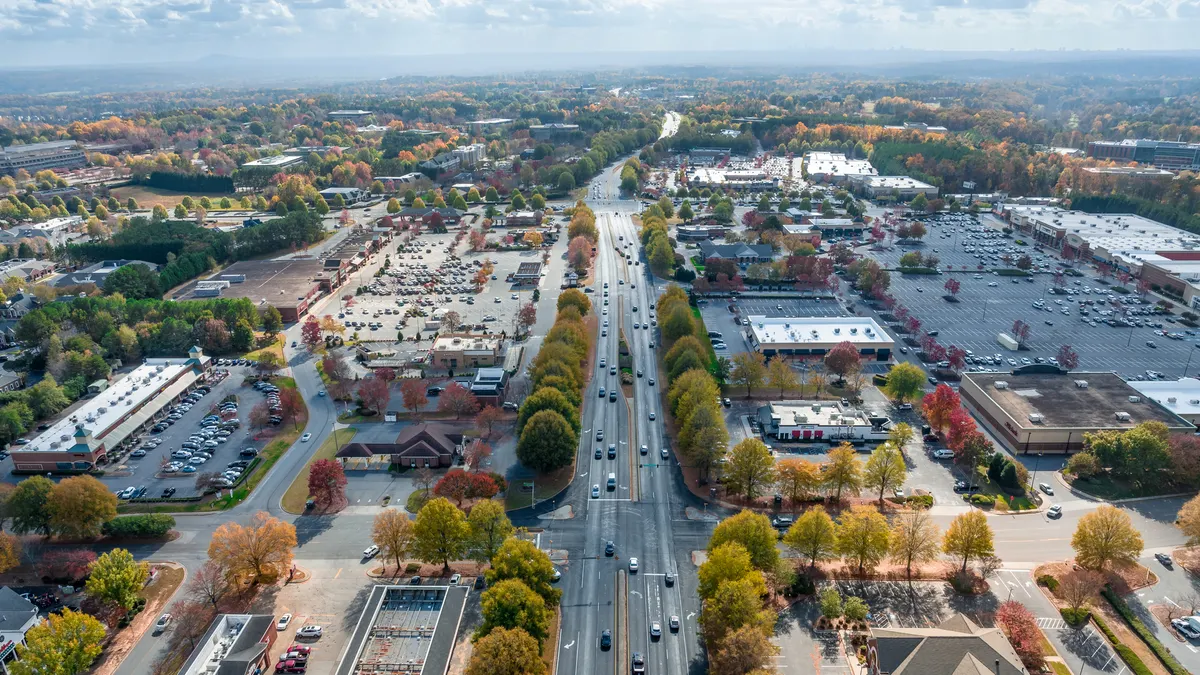
There are some 52,000 small businesses in the region Georgia Skyline is targeting, which Floyd called “underserved.” Competitors are largely national and regional banks and credit unions.
“Small-business owners, when they need access to capital, they don't have 90 days to wait around. They need help quicker than that,” Floyd said. “Our primary reason for existing is to serve the community … with personal service and with local decision-making ability,” resulting in expedited service and approvals, he said.
For small business owners, it’s essential that “when you call your banker, you don't call an 800-number; you call the banker’s cellphone number,” he said.
The bank has told the FDIC it plans to reach $250 million in assets by the end of its third year. That estimate is conservative, Floyd said, adding that attracting deposits is essential to the bank’s success.
“Moving loans is not going to be the issue. The issue is doing a good job on the deposit-gathering side,” he said. “We don't want to be just the leader in CD rates or our money market rates. We want people to bank with us because we have an easy, friendly digital platform, a great mobile app that's not clunky or hard to navigate.”
To that end, Georgia Skyline has opted to forgo a large office space – it’s building a 6,000-square-foot location – in favor of prioritizing technology investments.
One of the first and largest expenses for the bank is enlisting a core processor, with a five- to seven-year contract running between $5 million and $7 million, he noted. The group chose Paducah, Kentucky-based core provider CSI over its bigger rivals because the firm’s “web development, their online banking capabilities and their mobile app were all, we felt, extremely advanced.”
“Having this type of technology will allow us to compete with the big boys,” Floyd said.
The bank plans to add locations down the road, but won’t rush physical expansion, Floyd said. “You go where the banker is,” he said. “When we find the right banker that has a team or has been in a market for a while and they bank in that area, then we follow where the banker is, and we build a branch there.”
The de novo has seven employees and aims to open with 11 people on Day One. “As soon as we hit our capital number, we'll start hiring additional team members,” Floyd said.
Georgia Skyline is targeting 22 employees when its permanent branch and office in Alpharetta is completed, ideally in spring 2027, Floyd said.
When asked about longer-term plans, Floyd said the group has “an open book right now as to what comes next,” and brought up a willingness to consider a merger.
“If there is another bank out there that we merge with after the third year, we're open and willing to anything right now,” he said. “It's not that we're starting this bank to sell it or merge with someone else. We're starting this bank because there's a void and a need in our market. Now, whether we run this for five years or 50 years, we just want to be good stewards, we want to be able to serve our community.”