When it comes to desired changes to the Clarity Act, the digital-asset market structure legislation pending before the Senate, banking trade groups are holding a hard line.
“There’s always the suggestion, well, how do we make both sides happy on this?” said Rebeca Romero Rainey, president and CEO of Independent Community Bankers of America. But that’s where the banking industry is at “an impasse.”
“For us, this loophole has to be closed entirely,” she said. “There's not a middle ground in terms of resolution.”
Banking trade groups have suggested changes to the language of the legislation that would ensure the closure of a loophole they say would allow digital-asset companies to issue an equivalent to yield or interest. “Ambiguities” within the bill could allow stablecoins “to effectively function as substitutes for deposits,” trade groups have told senators.
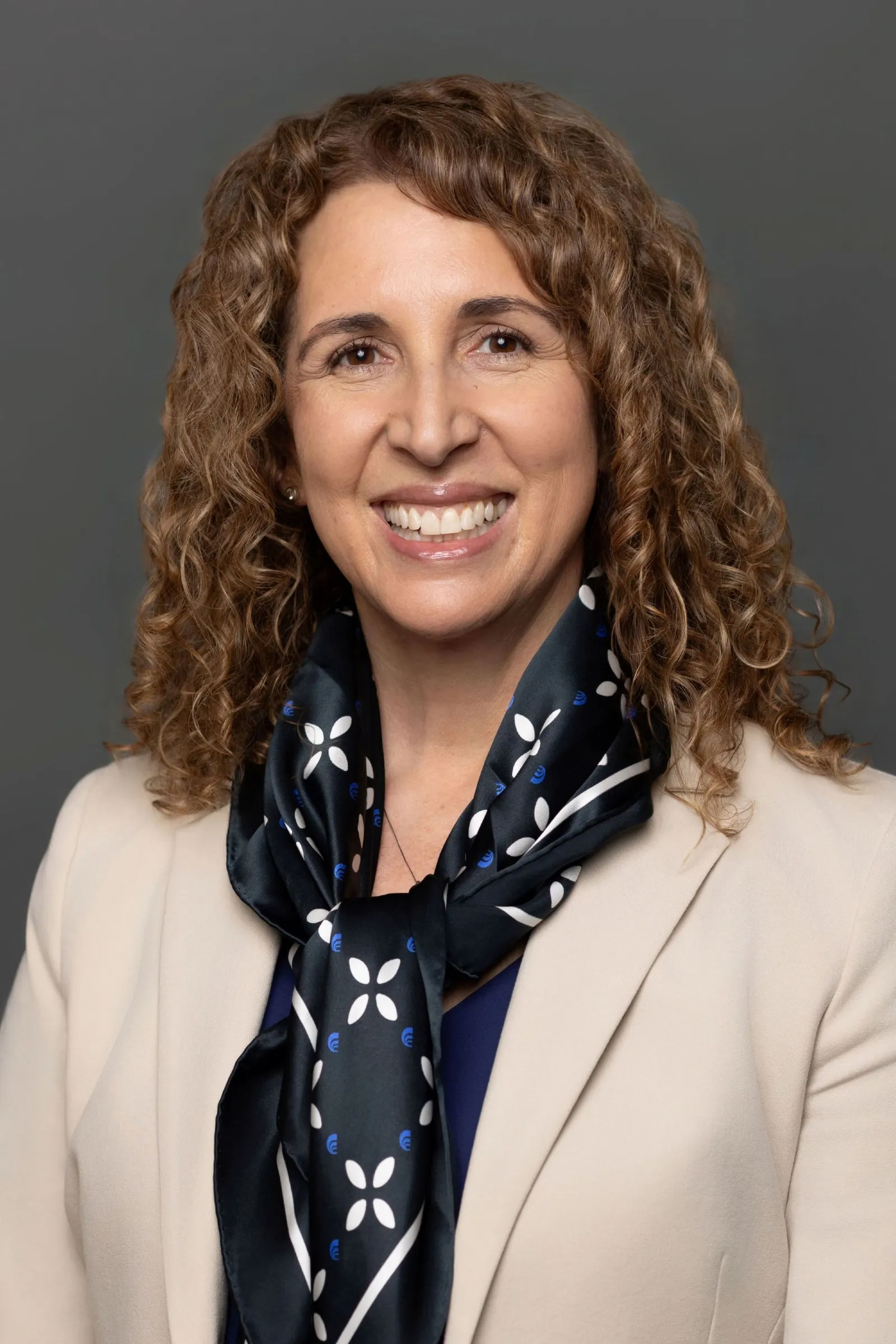
Romero Rainey, who has led the trade group since 2018, spoke with Banking Dive recently about deposit flight concerns, how she approaches engagement with the Trump administration and what a more “proportionate” regulatory tone means for community banks.
Editor’s note: This interview has been edited for clarity and brevity.
BANKING DIVE: What concerns ICBA as it relates to the Clarity Act?
REBECA ROMERO RAINEY: Our main concern with Clarity gets into the potential for stablecoin exchanges to be able to issue an interest- or yield-like equivalent on stablecoins. Instead of just becoming a payment mechanism, these stablecoins begin to look and feel a whole lot like deposits without the traditional infrastructure that surrounds today's depository system.
The data would suggest that’s funded essentially by bank deposits leaving communities and converting to stablecoins, to the tune of $1.3 trillion in deposits over time. That could lead to a decline of $850 billion in local lending.
A community bank takes local deposits and redeploys those in the form of loans. It's economic development in its purest form, so that loss of deposits directly means an inability to do local lending.
There's nothing to suggest that cryptocurrency would replace those deposits and redeploy them in local communities. That's what has gotten the attention of a number of senators at this point. If the data suggest, especially in so many of our rural communities across this country, that we would not have a replacement for this capital, let's make sure we solve for this.
Community bankers meeting with their senators, especially now with the August recess, have been able to show them very specifically what it means potentially for their state.
Right now, a vote of cloture is expected Sept. 15. It does not look today like there are the votes to pass the bill, and a significant part of that is trying to address this underlying question of local deposits.
What do you make of the White House’s Council of Economic Advisers downplaying concerns around the impact on bank deposits?
One of the arguments we often hear is that we're not seeing this impact today, so the numbers are exaggerated. Today, this framework doesn't exist. To say because we're not seeing this runoff today, it won't happen in the future – there's a significant shift that would happen if, in fact, this legislation were to pass. The rationale for some of this pushback doesn't make sense because it doesn't take into account a significant change in the environment if this legislation were passed.
Do you think passage of the legislation would automatically result in this massive shift?
Here's where we need the crystal ball to know exactly what's going to happen. Today, as you look at how people are engaging in the digital asset space, a lot of it is speculative activity. It's intrigue. It's investment activity, to some extent.
As systems potentially evolve for money movement or payment objectives, for me, that's the significant game-changer.
As you look at the use cases, especially if there aren't the regulatory requirements that we see in the banking industry, what does that incent, in terms of people moving money? It’s all of those pieces tied together.
And it’s not just Clarity that we're seeing develop: We have the Office of the Comptroller of the Currency with national trust charters, and we have the Federal Reserve with payment master accounts. Every aspect of the regulatory apparatus is becoming very lenient and creating new pathways that we haven't seen in the past, in terms of this approach to banking services. All of that leads to these concerns around deposit flight.
How are you approaching engagement with the Trump administration?
So much of this conversation, candidly, is education, and the data. This isn't just about a new competitor in the space. Bring on competition. I love it as long as we’re on a level playing field. When it's not a level playing field, when there are ramifications that go beyond the impact to the institution that are much broader, that is the piece we're leaning into, and we're telling that story. It’s not the politics, it's not the individuals engaged. It's the broader ramifications in terms of what this means.
What legislative or regulatory change that’s occurred has been most impactful for community banks?
As opposed to any one rule or change, it's a regulatory tone that is more proportionate, in terms of their approach to risk.
That is so much of our focus, whether it's these new entrants – same activity, same regulation – or some of our age-old concerns, as we look at the largest banks vis-a-vis the smaller banks, and how do we ensure a proportionate approach to rulemaking?
We've seen a lot of strides in that direction, whether it's extension of limits or thresholds, or the community bank leverage ratio. That approach has been most significant.
Are community banks feeling that relief in a tangible way?
Compliance activity in smaller banks is still disproportionately more expensive and burdensome than it is in larger institutions. Does the proportionate tone make that a little bit better? Yes. Does technology, scale and some level of automation make that a little bit easier? Absolutely.
The challenge is then being able to translate that, ultimately, to the bottom line, and I think that continues to be a challenge.