Dive Brief:
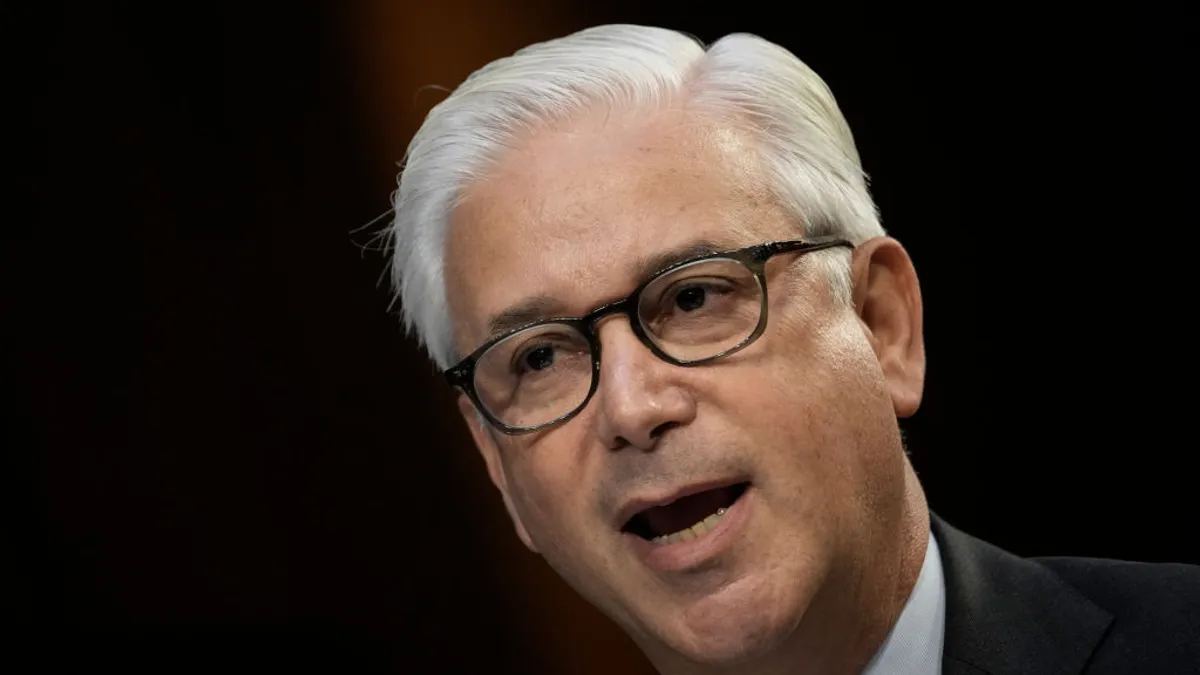
- U.S. Bank CEO Gunjan Kedia is among the signatories of an open letter released Sunday by the Minnesota Chamber of Commerce calling for “an immediate de-escalation of tensions and for state, local and federal officials to work together to find real solutions.”
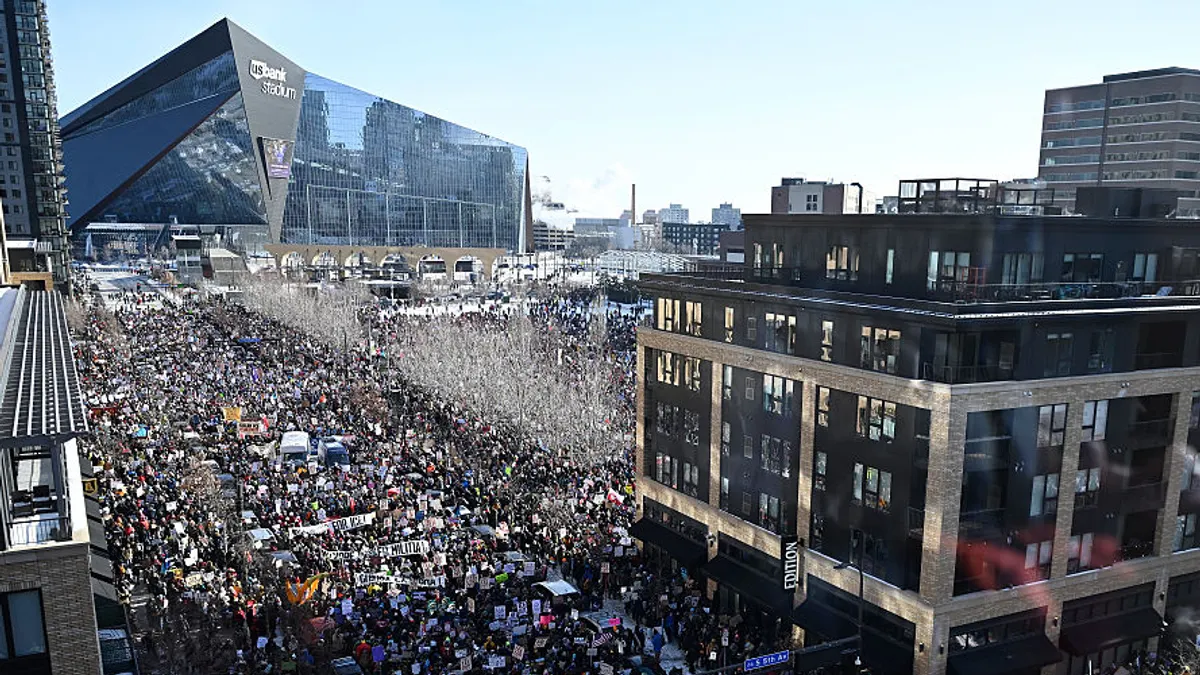
- The letter, signed by about 75 Minnesota-based companies, followed the Saturday shooting death of 37-year-old Alex Pretti by federal immigration agents, the second such death in Minneapolis since the crackdown began this month.
- “The recent challenges facing our state have created widespread disruption and tragic loss of life,” the letter reads. “In this difficult moment for our community, we call for peace and focused cooperation among local, state and federal leaders to achieve a swift and durable solution that enables families, businesses, our employees, and communities across Minnesota to resume our work to build a bright and prosperous future.”
Dive Insight:
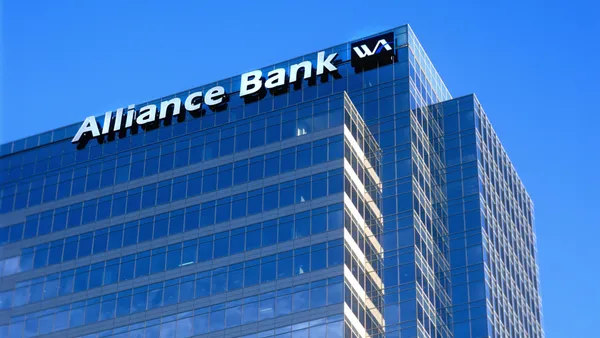
When the Minneapolis-based bank reported fourth-quarter earnings Jan. 20, Kedia offered “a special thanks to many of you for your well wishes for Minneapolis.” The $692 billion-asset bank’s headquarters are located at 800 Nicollet Mall in the city.
“With all the challenges this community is facing, we remain focused on our clients and our teams,” the CEO said during last week’s conference call.
At that point, the federal crackdown in the city had been underway for a couple of weeks, and had already seen the death of Renee Good, 37, who was shot Jan. 7 during an encounter with immigration agents. Good’s death fueled protests and prompted sharp words from Minneapolis Mayor Jacob Frey, who called for Immigration and Customs Enforcement agents to leave the city.
Sunday’s letter, which doesn’t mention ICE or the names of Good or Pretti, was signed by the CEOs of major Minneapolis-based companies such as 3M, Target, the Mayo Clinic and General Mills; the food giant’s CEO is Jeff Harmening, the brother of Andy Harmening, the CEO of Green Bay, Wisconsin-based Associated Bank.
“For the past several weeks, representatives of Minnesota’s business community have been working every day behind the scenes with federal, state and local officials to advance real solutions,” the CEO letter reads. “These efforts have included close communication with the Governor, the White House, the Vice President and local mayors. There are ways for us to come together to foster progress.”
A U.S. Bank spokesperson didn’t respond Tuesday to a request for comment on the letter.
Barry McCarthy, the CEO of Minneapolis-based payment services company Deluxe, was one of the letter’s signatories. The company, which has hundreds of employees in the Twin Cities, said in a statement Tuesday that it’s “time to find a peaceful resolution and lowering the temperature is an important and necessary first step.”
“A common message from the broader business community is a much more powerful message than any one company alone could deliver,” Deluxe said in the statement seen by Banking Dive. The open letter “was never going to be perfect or satisfy everyone. But the unity it represents among the largest employers is having an impact. The de-escalation seems to have begun as some border patrol officials and troops are departing. This is a step forward and reason for optimism that cooler heads on all sides will prevail and a peaceful resolution will be found.”
CEOs generally want a peaceful environment for their employees, Bill George, former CEO at Minneapolis-based Medtronic, told The New York Times. Current Medtronic CEO Geoff Martha signed the open letter.
The bigger issue for CEOs is that unrest in the city “is going to have a very negative effect on their growth, on their innovation and particularly their ability to recruit people from around the country and around the world,” George told the Times.
Right now, employers may have “tired and distrustful” workforces following the Minneapolis shootings, outplacement firm Challenger, Gray & Christmas said Tuesday.
“There are a number of facts that are not in dispute that leaders need to be mindful of in the coming weeks and months. One is that videos of these incidents – ones their teams can easily access and view – are public and ubiquitous. And deeply traumatic,” CEO John Challenger said in a Tuesday release seen by Banking Dive. “These shootings have inflamed political tensions nationally, and the strong feelings evoked from them are not isolated to workers in Minneapolis or Portland, Los Angeles or Chicago.”