
Companies like Stripe and Affirm Holdings, which have applied for federal and state banking charters in recent months, are looking for greater control and greater flexibility, in addition to cost savings, according to analysts and consultants who follow the payments industry.
Other companies pursuing state and federal charters include PayPal, Revolut, Fiserv and Checkout.com.
San Jose, California-based PayPal Holdings announced it had applied for a federal banking charter in December while buy, now, pay later company Affirm applied for a Nevada bank charter last month. U.K.-based Revolut is also aiming to apply for a federal banking charter.
Milwaukee-based Fiserv was approved for a special purpose Georgia banking charter in October 2024. Stripe and Checkout.com have since applied for the special charter, which would let them settle payments without a partner bank by giving them direct access to credit card networks.
Fiserv became the first company to process transactions under the charter in April.
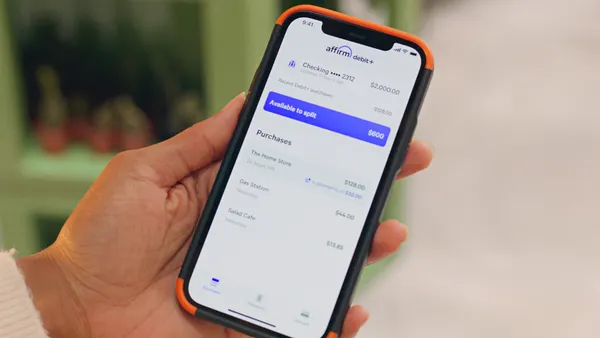
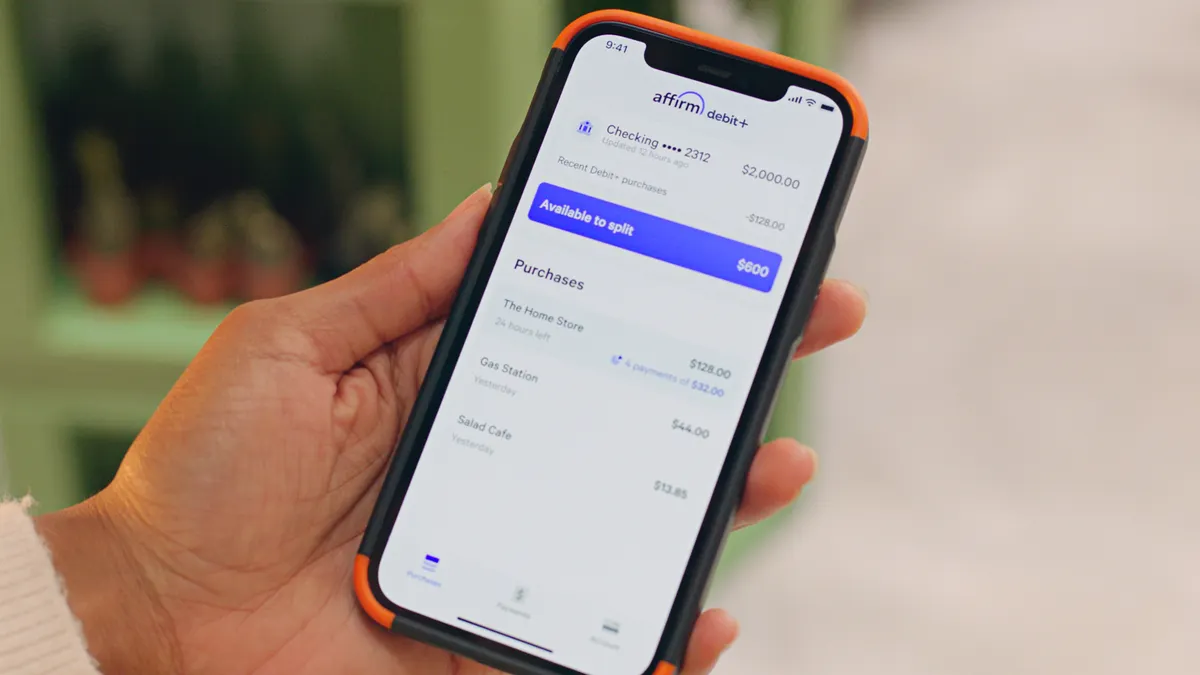
San Francisco-based Affirm already provides multiple services which are generally associated with banks, such as deposit accounts and long-term loans at a debit card. However, the company must partner with traditional financial institutions to offer those services.
With a banking charter, those partnerships would no longer be necessary, and Affirm would no longer need to share any of its revenue with institutions like banks and credit unions.
Charters would also give the companies applying for them the flexibility to offer some services they don't already offer.
“If you’re a fintech, you no longer need to rely on a partner bank for the banking services you offer,” said Bill Maurer, director of the Institute for Money, Technology and Financial Inclusion at the University of California, Irvine.
Currently, companies like PayPal that offer deposit accounts can't get those accounts insured through the Federal Deposit Insurance Corp., he said.
The company could offer federally insured savings accounts if it had such insurance, which the charter would allow, Maurer said.
Banks can also join payment rails such as RTP and ACH, said James Stevens, co-leader of the financial services industry group at the law firm Troutman Pepper Locke.
"The reason we're seeing a spike in new chartering by payment companies and other non-banks is because they want to avail themselves of those special powers that banks have," Stevens said.
Additionally, every state has a different licensing requirement for lenders, but a bank charter would let a company like PayPal — which offers buy now, pay later installment loans — bypass the state laws and lend under the federal charter, Maurer said.
"They can operate according to one set of federal regulations instead of lots of state rules, streamlining compliance," he said.
Government agencies under the Trump administration have shown a light regulatory touch compared to previous administrations, making this an ideal time to apply for a banking charter, said Matthew Coad, an analyst for Truist Securities.
"It's an easy time to get approved," he said.
Charters may also provide companies such as Affirm greater protection if regulators under a future administration crack down on the buy now, pay later industry, Coad said.
"It's safer for them to have the charter, even if they don't fully utilize it," he said.