Thirteen state attorneys general sued OneMain Financial on Monday, alleging the installment lender misled subprime customers into adding credit insurance products and other high-interest offerings to their loans without the borrowers knowing the cost impact.
That violates state and federal laws on illegal, fraudulent, deceptive, unfair and abusive conduct and false advertising, the AGs said.
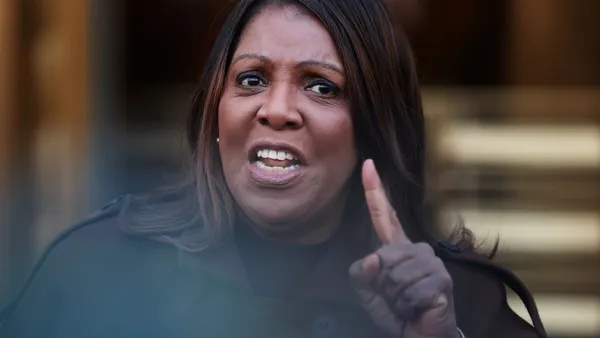
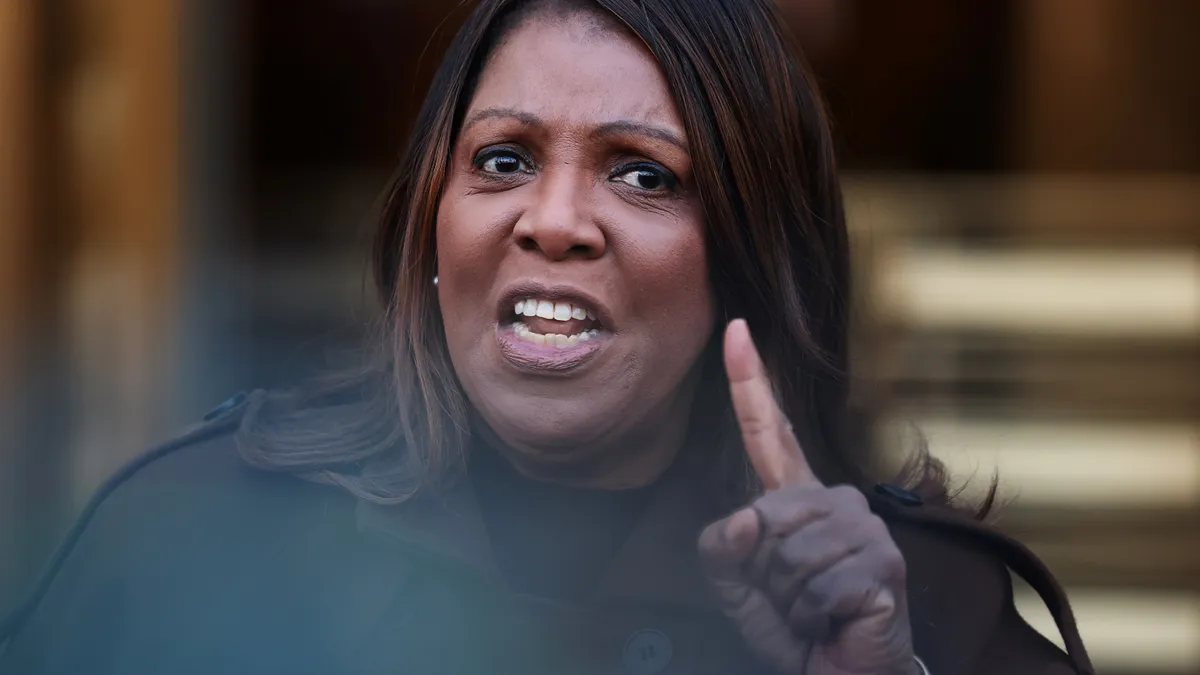
“OneMain targets people who are already struggling financially, saddling them with hidden fees and misleading loans to trap them in even more debt,” New York Attorney General Letitia James said in a statement Monday.
The company’s “unlawful add-on and refinancing practices leave many of its customers significantly worse off than they bargained for when they came to the company for financial relief,” the AGs wrote in a complaint filed in the U.S. District Court for the Southern District of New York.
OneMain refuted the lawsuit Monday, calling the AGs’ allegations “simply untrue.”
“Their case is wrong on the facts and wrong on the law and attempts to relitigate issues that were already reviewed by the Consumer Financial Protection Bureau and fully resolved,” the company said in a statement.
The CFPB in 2023 ordered OneMain to pay $20 million, including refunds of $10 million in interest it had charged 25,000 customers over add-on products. At the time, the bureau said OneMain had issued checks to customers who had canceled certain products. Those checks, however, did not include refunds of interest charged.
Separately, roughly a week before the CFPB penalty, New York’s Department of Financial Services fined OneMain $4.25 million for allegedly failing to effectively manage third-party risk, which the regulator said left the company more vulnerable to cyberattacks.
“We operate honestly and transparently, in full compliance with all laws and regulations, as we provide responsible and much needed access to credit for hardworking Americans,” OneMain said Monday. “This matter does not change how we operate our business or serve our customers. We will litigate this case vigorously and look forward to proving the truth in court.”
The state AGs allege OneMain offers commissions and gift cards to its loan closers, branch managers and district managers for each additional noncredit product upsold to customers. Those products include credit insurance, term life insurance and lifestyle- and health-related membership plans.
OneMain employees are instructed to wait until borrowers are ready to close their loans to pressure them into buying add-ons, and to continue pushing until customers explicitly say "no" three times, according to the lawsuit. Employees also rush to close the agreement before borrowers understand the fine print, the AGs said.
Further, the full premium for OneMain's add-on products is paid upfront and financed into the loan, instead of being paid monthly, the AGs alleged. That inflates the interest consumers would pay, but OneMain employees are encouraged to emphasize the monthly cost of the plan rather than the premium cost that includes interest from the add-ons, the AGs said.
“In some cases, OneMain charges the consumer for add-ons even if they decline them,” James’ office wrote in a press release. “As a result, customers are left with loan terms they do not understand and end up paying for products they do not want, have any use for, or even know they have.”
The attorneys general are seeking restitution, penalties and disgorgement of unlawful profits. They also seek a court order barring OneMain from the practices in question, and want the company to withdraw any information it may have reported to credit agencies that would negatively affect customers’ credit scores with respect to the add-on policy.
The case represents a fresh example of state agencies picking up the mantle of consumer protection as the CFPB has largely backed off from its enforcement activities, especially regarding nonbanks.
In addition to James, the attorneys general of Colorado, Maryland, Nevada, New Hampshire, New Jersey, North Dakota, Oklahoma, Pennsylvania, South Dakota, Virginia, Washington and Wisconsin have joined the lawsuit.