Three former Celsius Network executives must pay $16.5 million to resolve Federal Trade Commission charges that they deceived users when they promised deposits with the company would be safe and always available.
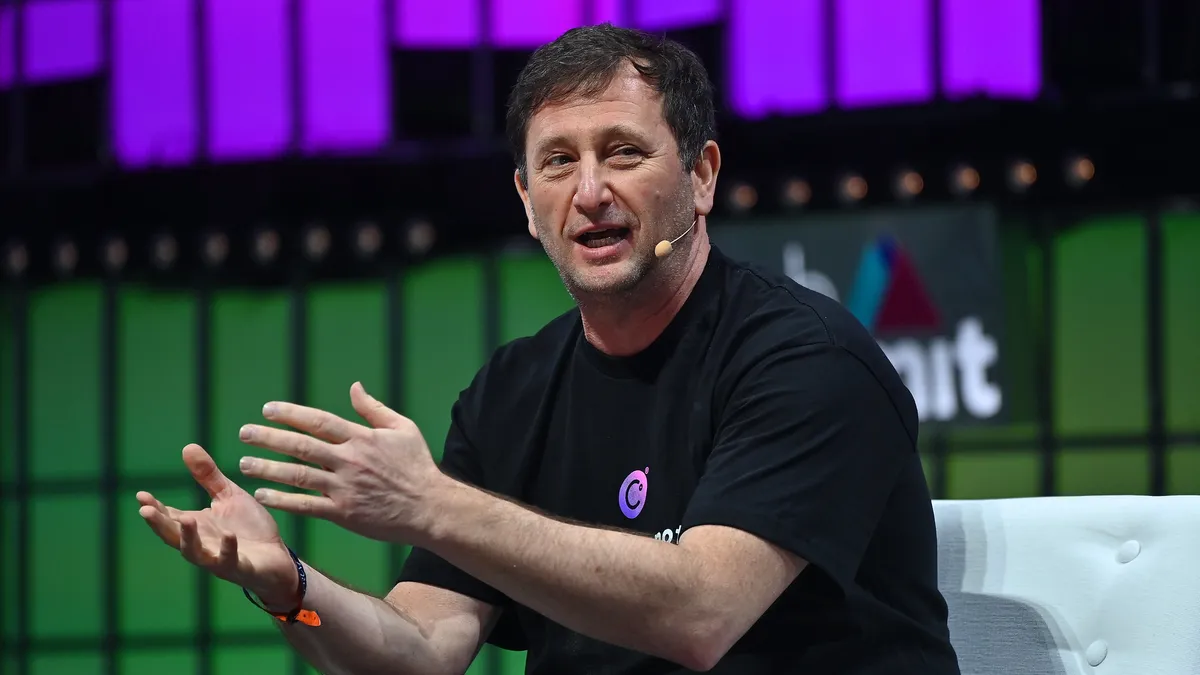
Alex Mashinsky, Shlomi Daniel Leon and Hanoch Goldstein founded the now-defunct cryptocurrency platform in 2017, and filed for bankruptcy in 2022.
Mashinsky, Leon and Goldstein have each agreed to FTC bans, the agency said Monday. Mashinsky and Leon are banned from marketing or selling products or services that can be used to deposit, exchange, invest or withdraw assets; and Goldstein is banned from marketing or selling products or services that can be used to buy, sell or trade crypto.
In 2023, the FTC alleged that Celsius and its co-founders promised customers their platform was “safer” than a bank — that it maintained a $750 million insurance policy for deposits, that it held sufficient reserves and that users of its Earn product could yield as much as 18% interest annually.
But the promises were false, according to the FTC, and the founders continued to lie about them within days of Celsius filing for bankruptcy.
“Celsius has billions in liquidity, right, and we provide immediate access to everybody,” Mashinsky said on a previously reported but now unavailable YouTube livestream. He suggested that Celsius’ critics were being funded by competing firms. But three days later, the exchange paused withdrawals and filed for bankruptcy, citing “extreme market conditions.”
Mashinsky, who pleaded guilty to commodities fraud and intent to manipulate the value of the Celsius token in 2024 and was sentenced to 12 years in prison last year, will pay the lion's share of the penalty at $10 million. Leon will pay $4.1 million, and Goldstein will pay $2.4 million.
Mashinsky and Leon are also prohibited from disclosing nonpublic personal information about consumers unless the user provides express informed consent first.
Mashinsky is serving his sentence at Otisville Correctional Facility in New York. Last month, he filed to vacate his sentence, citing ineffective counsel and “fruit of a poisonous tree” legal doctrine. The doctrine, according to the Cornell Law School’s Legal Information Institute, dictates that evidence is “inadmissible in court if it was derived from evidence that was illegally obtained.”
Mashinsky cited “inappropriately applied statute and regulatory understanding, inappropriately applied legal theories and deprivation of due process” in his handwritten filing.