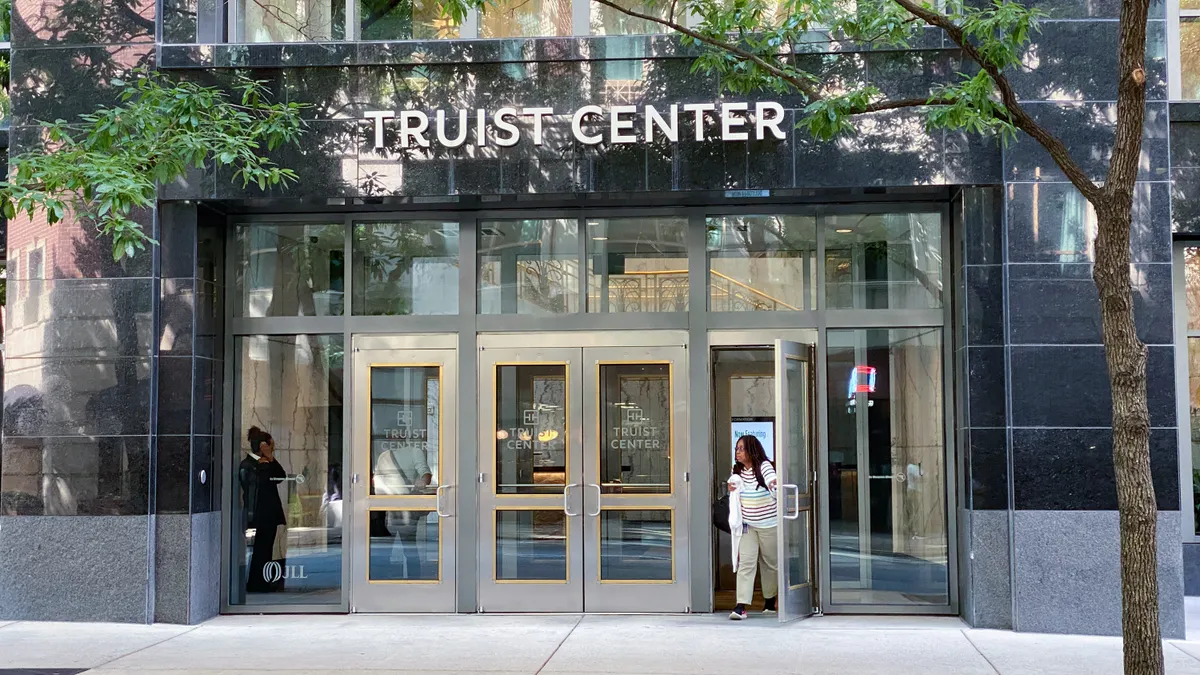
Truist investors are ready for change under new CEO Mike Lyons, who will have about 90 days to draw up a plan to improve the bank’s profitability.
That’s according to analysts who cover the bank. Lyons needs to roll out a “bold and big” plan in the next three months and set a reasonable timeline to achieve goals, Royal Bank of Canada analyst Gerard Cassidy wrote in a Monday note. “As an outsider he should be able to look more objectively at the current state of affairs at [Truist].”
Institutional investors have indicated “it is time for a major reset,” Wells Fargo analyst Mike Mayo said in a Monday note.
Tuesday is Lyons’ official start date at the Charlotte, North Carolina-based bank, although the CEO posted Monday on LinkedIn that it was his first day on the job.
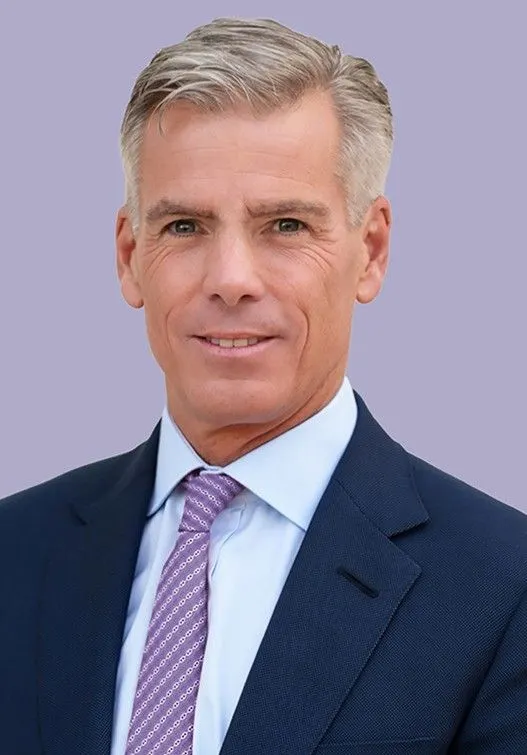
“We have a talented team and meaningful opportunities to expand our capabilities, deepen client relationships, and build on the momentum already in place,” Lyons said in the post. “I am excited about how we will work hard to help our clients achieve their financial goals and drive Truist’s operating and financial performance.”
Lyons was most recently the CEO of payments firm Fiserv and president of PNC before that. Bill Rogers, the now-former CEO of $556 billion-asset Truist, said in July that Lyons would provide “some acceleration, some assurance, some – in fairness – intensity” against the lender’s objectives to bolster profits and rev up growth.
From a shareholder's perspective, the 2019 merger of equals between BB&T and SunTrust that resulted in Truist “has not gone well,” Cassidy wrote.
The pro-forma market cap when the merger occurred was about $76 billion, compared to about $61 billion today, even as the S&P Bank index increased 116% over that time, Cassidy noted. The approach of equal board and senior management composition from BB&T and SunTrust “failed for shareholders,” he wrote.
There was “scar tissue” left by that merger of equals, to the extent that Pinnacle and Synovus executives last year were eager to distinguish their deal as not “Truist 2.0.”
“Investors have long recognized mergers-of-equals are very difficult to execute and [Truist’s] performance supports that view,” Cassidy wrote. “Lyons has the opportunity to change that performance.”
A Truist spokesperson said Tuesday the bank “recognize[s] the expectations that investors have for Truist. Mike Lyons brings a strong track record of leading complex, high-performing organizations, and we're confident in his ability to build on Truist's strong foundation. Our focus is on delivering results for clients, teammates, communities and shareholders.”
The new CEO may “look to reinvigorate” the super-regional’s 38,000-person workforce and hire senior executives to drive change, Cassidy said. The bank has recently hired a new wealth head, Shimna Sameer, who starts in October, and last week named Harold Ford Jr. vice chair of its wholesale banking business.
UBS analyst Erika Najarian had mentioned during the July earnings calls that an outsider CEO appointment can be “a little bit jarring” for top bank talent and wondered if those employees had been reassured in the wake of Lyons’ appointment.
“We re-recruit everyone every day,” Rogers said at the time. “We’re on that journey.”
Institutional investors, though, “overwhelmingly see credibility as [Truist’s] #1 issue,” Mayo wrote Monday. They want a visible reset, “even if that means lower guidance and a restructuring charge,” he wrote, based on an investor survey.
Still, there’s “no quick fix,” Mayo wrote.
More than half of respondents would see substantial senior-leadership change as positive, and close to half view Rogers serving as executive chair through April 2027 as limiting Lyons’ freedom, Mayo’s survey revealed.
Once Rogers retires, just one executive from the merger-era executive management team – Dontá Wilson – will remain on Truist’s C-suite.
A majority of investors want the bank to prioritize market share gains over expense or efficiency wins in the next year, and most don’t accept the bank’s 16% to 18% return on tangible common equity target on its current timeline, Mayo wrote.
The Southeastern lender “has one of banking's best footprints, in our opinion, but has yet to capitalize on this potential,” according to Mayo. “After years of merger integration that often missed targets, [Truist] still seems behind on technology and customer acquisition.”
Lyons may look to sell business lines such as subprime auto lending, while pursuing investments focused on deposit-gathering and treasury management products, RBC’s Cassidy wrote.
“We think he should finish the restructuring of the bond portfolio,” which “will give Lyons a cleaner balance sheet, stronger future net interest income growth and a fresh start,” Cassidy said.
A turnaround will take time, but seems achievable through a credible plan and strong execution, Cassidy wrote. “Should Lyons and his team not succeed in turning [Truist] around, we believe [Truist] could be a future acquisition candidate.”
Lyons, on LinkedIn, said he was grateful for the warm welcome he’d received so far.
“By earning trust, executing with urgency and discipline, and being tireless in helping our clients succeed, we will create lasting value for our shareholders, teammates, and communities,” Lyons wrote. “Every conversation has reinforced what makes Truist special — teammates who care deeply about our clients, each other, and the communities we serve. It has highlighted the opportunity we have for faster growth and stronger performance.”
Editor’s note: This story was updated to include comment from a Truist spokesperson.