Dive Brief:
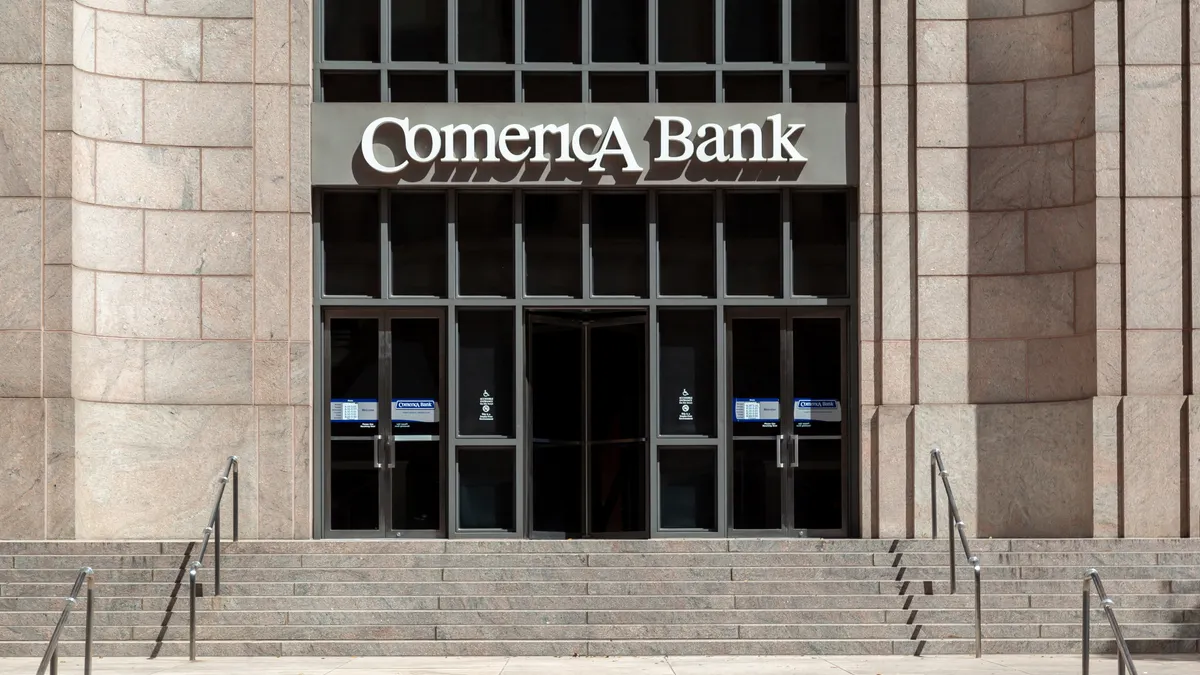
- Comerica and Fifth Third shareholders voted separately Tuesday to approve the Cincinnati-based regional’s $10.9 billion acquisition of the Dallas-headquartered bank.
- Fifth Third investors cast about 99.7% of votes in favor of the deal; for Comerica, that figure was 97%.
- The deal, approved last month by the Office of the Comptroller of the Currency, also received sign-off from the Texas Department of Banking on Friday, a Fifth Third spokesperson said Tuesday. The transaction awaits the Federal Reserve’s approval and is expected to close this quarter.
Dive Insight:
The much closer vote for $77.4 billion-asset Comerica was related to compensation in connection with the Fifth Third acquisition. That received 56.7% votes in favor, with 42.3% of shareholders voting against and about 1% abstaining.
In that proposal, Comerica CEO Curt Farmer would become a vice chair at Fifth Third and make $8.75 million annually once the deal is complete. Fifth Third will also pay Farmer $10 million in cash – half upon completion of the deal, and half a year later for “integration.”
Farmer is also poised to receive $10.63 million in deferred compensation, and after transitioning from vice chair to senior adviser at Fifth Third, he will still receive $8.75 million in annual compensation, along with an executive office, administrative support, and benefits for travel and expenses.
“We are pleased our stockholders have overwhelmingly approved this important step forward,” Farmer said in a Tuesday news release. “We believe that this merger of two long-standing institutions will create new opportunities to drive innovation, foster deeper relationships, and deliver stronger support for the customers and communities we proudly serve. Together, we are well positioned to grow, invest and compete more effectively for the long term.”
Last month, activist investor HoldCo Asset Management, which owns about 1.6% of Comerica stock, had urged shareholders to reject the proposed deal. The Fort Lauderdale, Florida-based firm asserted Fifth Third was contractually obligated to recut the deal if it was voted down, and the regional lender had “material room” to improve its $10.9 billion bid.
HoldCo didn’t respond to a request for comment on the shareholder votes.
Fifth Third announced in October that it was acquiring Comerica. HoldCo in July had prodded Comerica to sell itself, but the investor blasted the bank over the agreement with Fifth Third and faulted Comerica for ignoring a bid from another suitor, reported to be Regions.
In November, HoldCo sued Comerica and Fifth Third in Delaware court over the “rushed” deal and its “draconian” deal provisions. HoldCo had also critiqued Farmer’s “windfall.”
“The size and timing of Mr. Farmer’s compensation package strongly indicate a potential conflict of interest — namely, that Fifth Third effectively ‘overpaid’ the CEO to secure a lower purchase price for shareholders,” the activist investor has said.
Proxy adviser Institutional Shareholder Services gave HoldCo credit for its campaign, but recommended stockholders vote in favor of the deal, in a Dec. 19 report. ISS cited Fifth Third’s strength and expected merger cost savings.
The acquisition was the largest bank deal announced last year. The bank deal tally jumped in 2025 amid a regulatory climate more favorable to bank combinations, particularly larger ones. Trump administration regulators have issued quicker approvals – as with Huntington Bank’s $7.4 billion bid to acquire Cadence. That deal was announced in late October and received all regulatory approvals by late December.
“By combining Fifth Third’s award-winning retail and digital capabilities with Comerica’s middle market banking franchise, we’ll create a more dynamic, resilient institution with the scale and capabilities to deliver exceptional value for our customers, communities, and shareholders,” Fifth Third CEO Tim Spence said in Tuesday’s release. “Together we’ll form the ninth largest US bank with $290 billion in assets and a footprint spanning 17 of the 20 fastest-growing large markets in the U.S.”