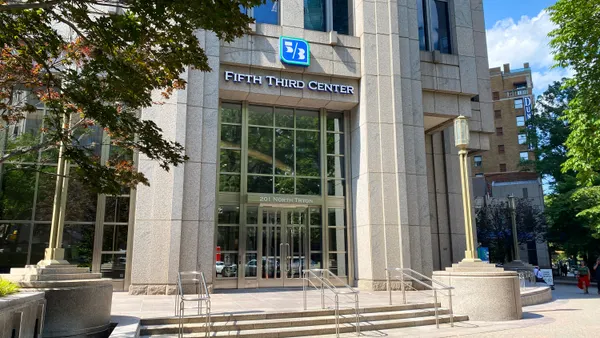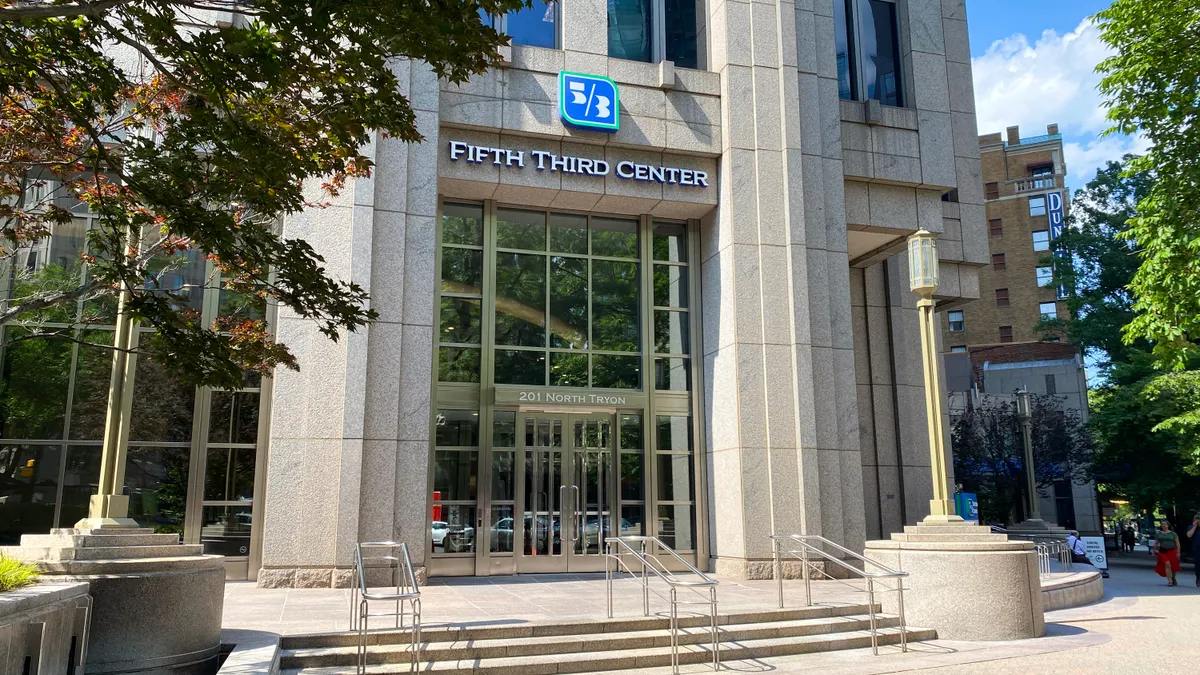
Fifth Third has seen a “dramatic rise” in bank impersonation scams, underscoring the importance of increased industry efforts to thwart scams and protect customers, a fraud executive at the regional bank said.
Bank impersonation scams were the leading scam for the regional bank in 2025, accounting for about 17% of all scam cases. The number of cases tripled from 2024 to 2025, and the bank is already on track to see more this year, said Kristopher Edwards, head of fraud prevention at Fifth Third.
In that type of scam, fraudsters impersonating the bank to trick a customer into parting with their money can spoof caller ID information, including the lender’s Cincinnati headquarters area code.
Spoofing websites or social media accounts have also become a headache for the bank, Edwards said. A customer who uses a search engine to find Fifth Third may see a paid ad leading to a fraudulent site – rather than the bank’s site – show up as the first result, for example.
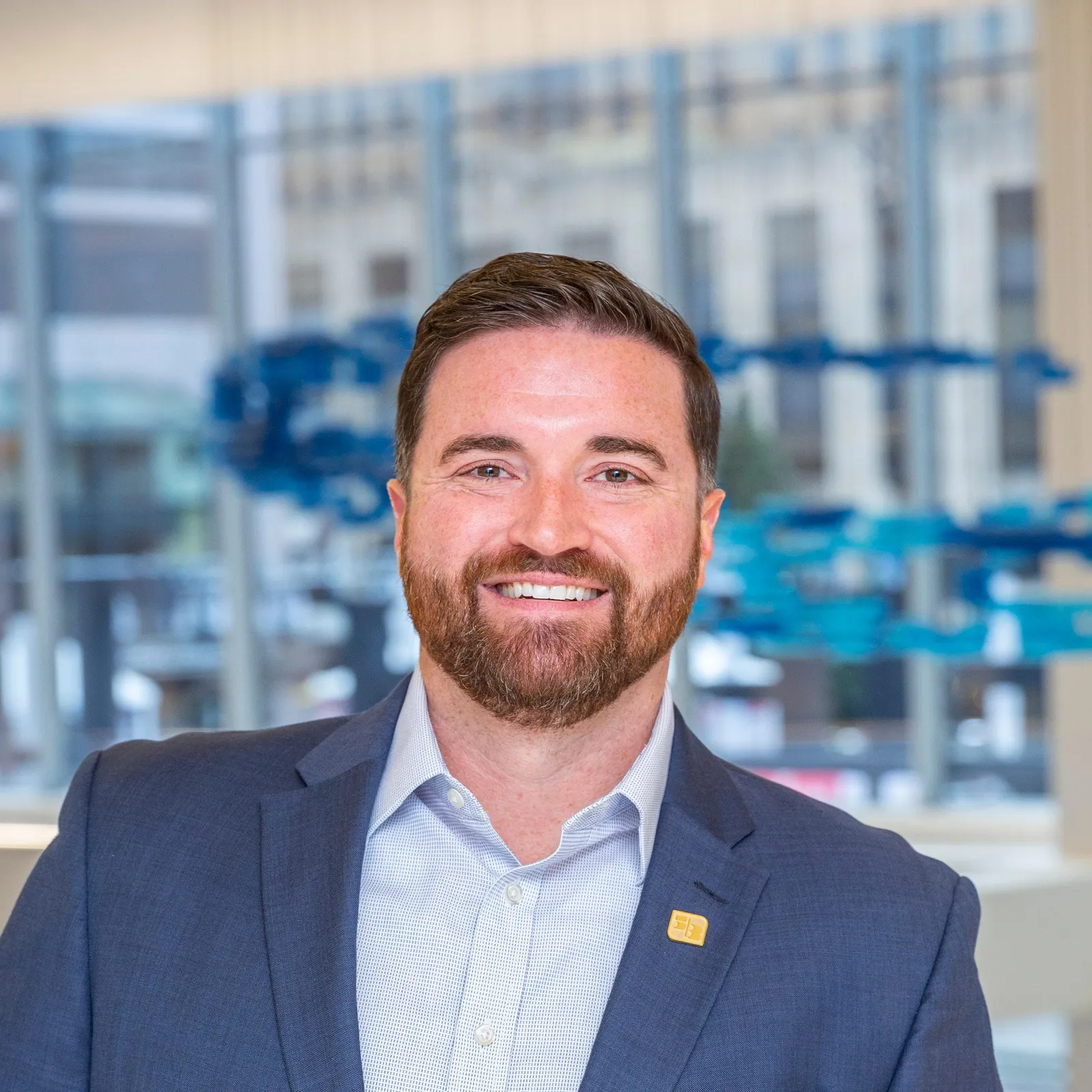
A Fifth Third information security team is constantly scanning for such websites and works to get them taken down. “That’s a big pain point for us,” Edwards said during a recent interview.
The $294 billion-asset bank supports the proposed Safeguarding Consumers from Advertising Misconduct Act, which would make it illegal for social media platforms to sell ads to criminals impersonating banks, Edwards said.
Scams impersonating law enforcement or government have become common, too, where fraudsters might tell a consumer they missed jury duty or have an overdue parking fine and need to pay immediately.
Because these scams originate outside the bank, lenders are working with regulators and industry groups to push for “upstream accountability” – involving telecommunications and social media companies, since they have a role, too, Edwards said.
Edwards said he was pleased to see the Federal Communications Commission recently propose a $4.5 million penalty against Voxbeam Telecommunications. The company apparently transmitted foreign calls into the U.S. that appeared to “spoof fraud prevention or customer services phone numbers belonging to U.S. financial institutions including Bank of America, Chase Bank, and others,” the FCC said.
“That’s really what we’re trying to get out ahead of here, because that’s where it’s impacting our customers the most,” Edwards said, adding that the FCC is “very focused on this.”
Fifth Third is pushing for regulation and national strategies, but also working with telecommunications companies to block phone numbers actively impersonating the bank, Edwards said.
“We’ve seen mixed success with that,” he said. Without regulation requiring them to do so, it’s a more challenging endeavor, he added.
Whether a consumer or a lender has informed a telecommunications provider that a certain phone number may be tied to scams, “we want some accountability that the number is actually blocked,” Edwards said.
Still, he likened it to “a never-ending game of whack-a-mole,” where fraudsters jump to a new number after one gets shut down.
Some of the larger telecommunications companies have engaged with the bank, but fraudsters typically aren’t turning to AT&T, Verizon or T-Mobile; bad actors tend to open accounts with small carriers that use bigger communication networks, Edwards said.
Increased information-sharing is another needed change, he said, and it’s something bank regulatory agencies are focused on.
In recent months, the Federal Reserve and the Office of the Comptroller of the Currency have asked what they can do to help lenders share information more quickly, Edwards said. Lawmakers have cited an outdated legal framework that inhibits bank information-sharing.
“A lot of these conversations have just picked up in the last year,” Edwards said of interactions with regulators. The issue is “top of mind for everybody.”
To beat back scam activity, Fifth Third has bolstered technology defenses, including internal detection systems flagging suspicious activity, as well as tools for customers, such as the mobile app’s SmartShield, which offers monitoring, education and real-time alerts.
The bank has also sought to enhance customer and employee education on scams, ensuring front-line staff can spot red flags. Training is ongoing for Fifth Third staff and the lender empowers staff to share scam information up the chain, Edwards noted during a recent Banking Dive-Payments Dive virtual event.
Fifth Third leverages its vendors for intel, too, and that feedback can inform decisions around account openings or facilitating transactions, Edwards said. Through a consortium, the bank can see if fraud has been reported in connection with an account or the owner of an account a wire transfer might be intended for, for example.
There’s “a lot of value there for us where, historically, we haven't had that information to actually know what is happening on the other side of a transaction,” he said. The bank has used consortium information on deposit accounts and checks for about five years, but added two new consortium tools for identity verification and wire transfers in the last year, in light of recent fraud trends, Edwards said.
Increasingly, such consortia are building in models and tools related to specific scams, using patterns to flag potential scam transactions, he said.