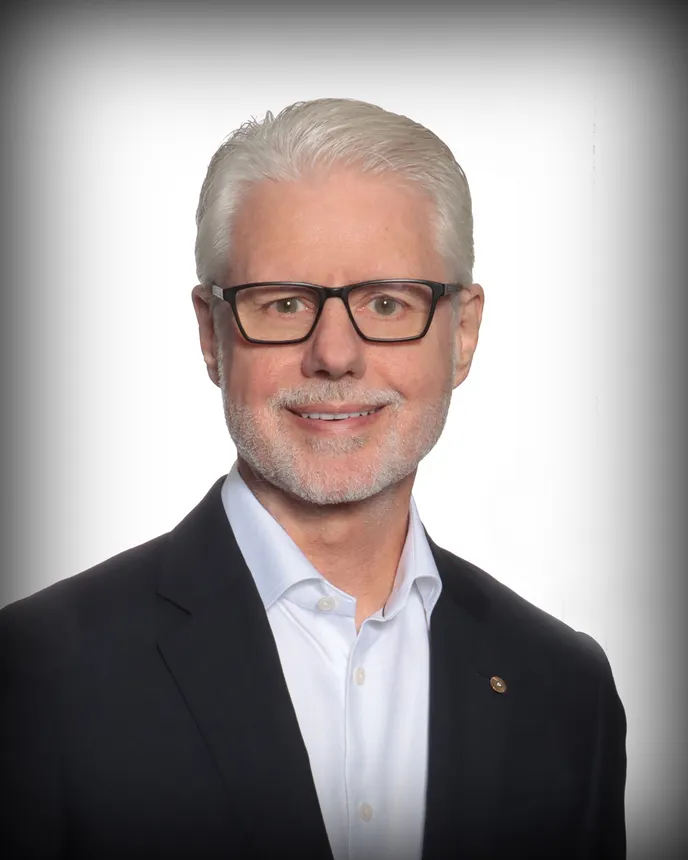
The spike in bank merger-and-acquisition activity in Texas doesn’t change Frost Bank’s organic growth plans, which CEO Phil Green said are progressing quickly enough to respond to the increased banking attention on the state’s customers.
As a new round of lenders enticed by population and business growth in Texas make a concerted effort to grow there, including through acquisitions, “some will be successful, and then some won’t,” Green said in a Thursday interview. “I just want to make sure they're not successful with my customers.”
Frost is playing offense, too: Green sees the opportunity created when customers of acquired banks experience change. The disruption “will help banks who are trying to acquire customers,” he said.
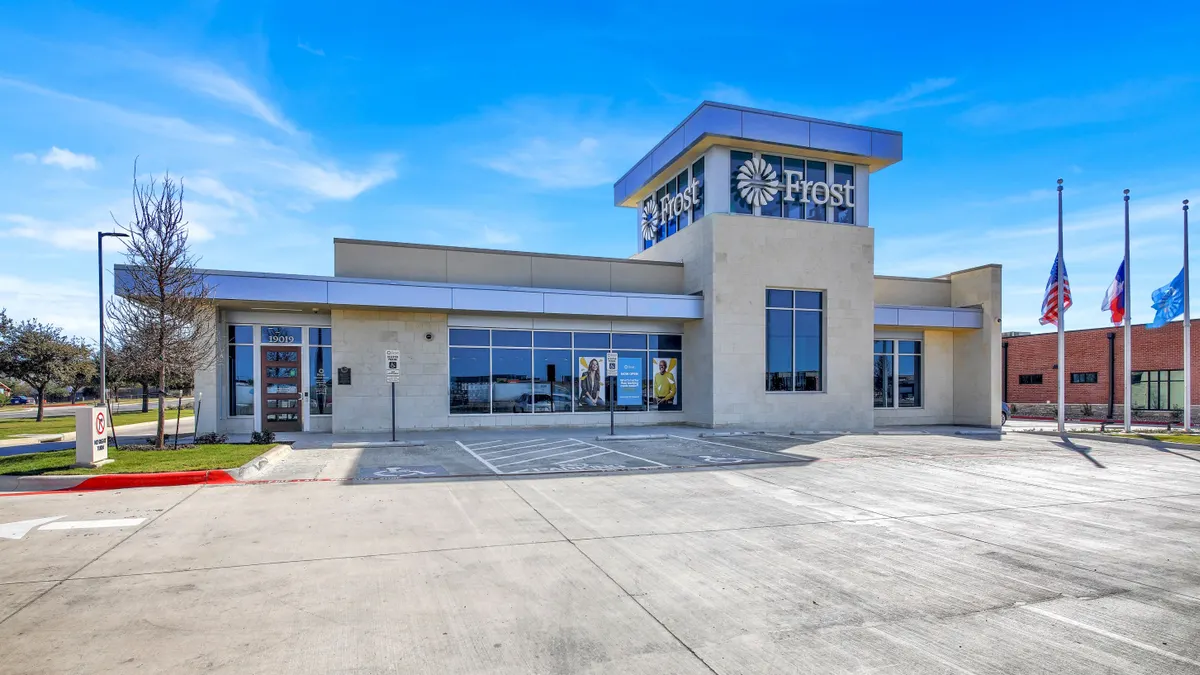
Drawing in customers organically is Frost’s focus, Green said. San Antonio-based Frost launched an expansion program in 2018, adding branches in the Dallas and Houston areas; in 2023, it circled Austin as another area it would add branches.
Last year, the $53 billion-asset bank opened 10 new branches in Texas. This year, the lender plans to open about 15 branches, and will hire about 150 employees to staff those. Frost operates just over 200 branches in all.
Texas was among the most targeted states for bank M&A last year, and was connected to the biggest bank deal of 2025, Fifth Third’s $10.9 billion acquisition of Dallas-based Comerica.
When Fifth Third reported fourth-quarter earnings Jan. 20, CEO Tim Spence said the lender planned to send 1 million pieces of mail within the first two weeks of the Comerica deal’s closure – which was announced Monday – to support consumer deposit marketing across Comerica's Western markets.
“It'll be the first million of what will probably be 13 or 14 million pieces of mail that will go out over the course of the year,” Spence said.
The Cincinnati-based lender also has 40 of 150 locations it intends to build in Texas already secured, Spence said last month. “The brick-and-mortar will actually come out of the ground faster in Texas than it did when we started the Southeast expansion,” he said.
Additionally, Huntington has closed its $7.4 billion acquisition of Houston-based Cadence Bank, the Columbus, Ohio-lender said Monday. Last year, Huntington also bought Dallas-based lender Veritex for $1.9 billion. And Houston-based Prosperity Bank last week announced its third in-state acquisition since July 2025, of Houston-based Stellar Bank.
Green told analysts during Frost’s fourth-quarter earnings call Thursday that he does “not intend to lose business and lose our customers to competitors, no matter who they are.”
Frost being a “low-cost producer” allows it to retain desired relationships in coveted markets against a price competitor, Green said. And the San Antonio bank “will win against literally anybody on service,” he asserted.
Still, he acknowledged the bank could face some “headwinds.” But he emphasized that the organic growth plan was the right path for Frost.
The bank has “zero interest” in making an acquisition, Green said during the call. That means he doesn’t even field calls from bigger banks looking to buy Frost, or from smaller lenders wondering if Frost might buy them.
“People don’t talk to me anymore,” he told Banking Dive. “They know I’m not in that game, on either side. I don’t get calls from anybody.”
As of the fourth quarter, Frost reported about $3 billion in deposits, $2.37 billion in loans and 78,000 households added through the expansion strategy. Those figures represent about 11% of loans and 7% of deposits for the bank, executives said during the call.
This year and next, Frost is focused on “taking advantage of this disruption with a lot of prospects that we’ve been calling on,” CFO Dan Geddes told analysts.
Green pointed to the Permian Basin, an area of west Texas where Frost hasn’t done any branch expansion, yet the lender recorded 8% growth in the fourth quarter, besting growth in Austin and Houston.
“One thing that’s happened in that market is acquisitions,” Green said, without naming a specific bank merger. That’s “a microcosm” of what Frost may see as recent M&A activity in the state plays out, he added.
Typically, about half of Frost’s new relationships come from the biggest U.S. banks, but that dropped to 42% in the fourth quarter, as the lender works to capitalize on disruption at midtier banks that are combining, Green said.
In the fourth quarter, Frost picked up about twice as many new relationships from banks that have been acquired than it’s done in prior quarters, Geddes said, without specifying banks he was referring to.