
Dive Brief:
- Klarna is increasing its pursuit of U.S. banking customers, introducing a high-yield savings account Tuesday to complement the buy now, pay later company’s push into financial services.
- The accounts will be offered through Salt Lake City-based WebBank, making them eligible for federal deposit insurance, as Klarna isn’t a bank in the U.S. They follow Klarna’s prior foray into a debit card account that paid interest to people in its membership programs.
- Klarna is tying the yields paid on the savings account to the membership plans – the lowest being a 3.28% base rate without a membership, the company said in a Tuesday press release. The rate climbs to 3.78% for balances up to $50,000 in the highest tier of Klarna’s four monthly membership programs.
Dive Insight:
London-based Klarna operates as a bank in Europe and has $12.3 billion in deposits across 11 markets, with a savings account “a natural next step” for its U.S. business, according to the release.
The latest consumer product shows Klarna’s continuing effort to become a U.S. financial services player diversified beyond its BNPL roots.
“The average American earns less than half a percent on their savings, not because better options don't exist, but because their bank hasn't had to compete," Klarna CEO Sebastian Siemiatkowski said in the release, which describes Klarna as a “global digital bank and flexible payments provider.”
Two years ago, Klarna debuted a checking-account style account, Klarna Balance, within its app that was attached to a Visa-branded debit card in multiple markets, including the U.S. As part of the savings account introduction, Klarna has reduced the interest rates on that account to 0.01%, a spokesperson said.
The spokesperson declined to say what the prior rate was, though she noted it was lower than the rates offered for the new savings account. The debit account paid interest when consumers enroll in one of Klarna’s membership plans.
The Klarna Balance account is “a spending wallet designed to circulate money within the Klarna ecosystem,” a company spokesperson said Monday. The account — which isn’t federally insured — can pay for purchases, receive funds and earn cash back on purchases. The company declined to say how many people have opened this type of Klarna account.
The company uses deposits from its 15.8 million European banking customers to help fund its lending business, but it won’t be able to do so in America as it’s not a bank.
“By launching savings accounts, we're bringing consumers into a daily relationship with the Klarna app, and that engagement is what drives a financial relationship that goes well beyond BNPL,” the Klarna spokesperson said Monday in an email.
Klarna is hardly alone among BNPL providers that have migrated heavily into financial services, with some seeking to become banks.
Klarna’s rival Affirm applied for a Nevada banking license in January, a month after PayPal sought regulatory permission to become a Utah-chartered industrial loan company. Minneapolis-based Sezzle is working to create a “super app” for consumers as part of a push to grow by engaging with consumers more deeply in financial services beyond its traditional BNPL loans. Sezzle, too, has said it’s likely to seek regulators’ approval to become a bank.
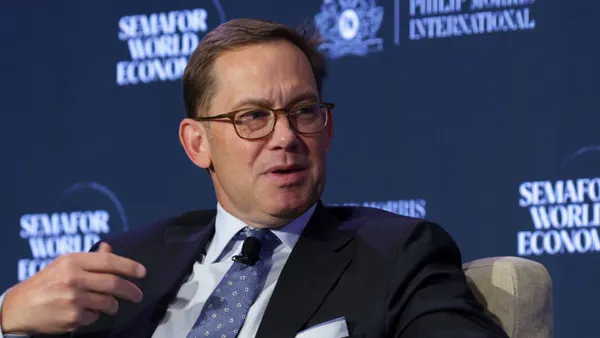
Affirm sees a bank charter, if granted, as a way to collect deposits and “diversify our funding base and potentially lower the cost of our funding base,” CFO Rob O’Hare said Thursday at a William Blair investor conference.
“Over time, we definitely have big ambitions to touch more of the consumer’s financial life, and this bank charter is a good first step, but it’s not the end-all, be-all in the next couple of years,” O’Hare said.