Irvine, California-based Nano Banc failed Friday, meaning 2026 is outpacing every other year this decade in terms of bank collapses, with six.
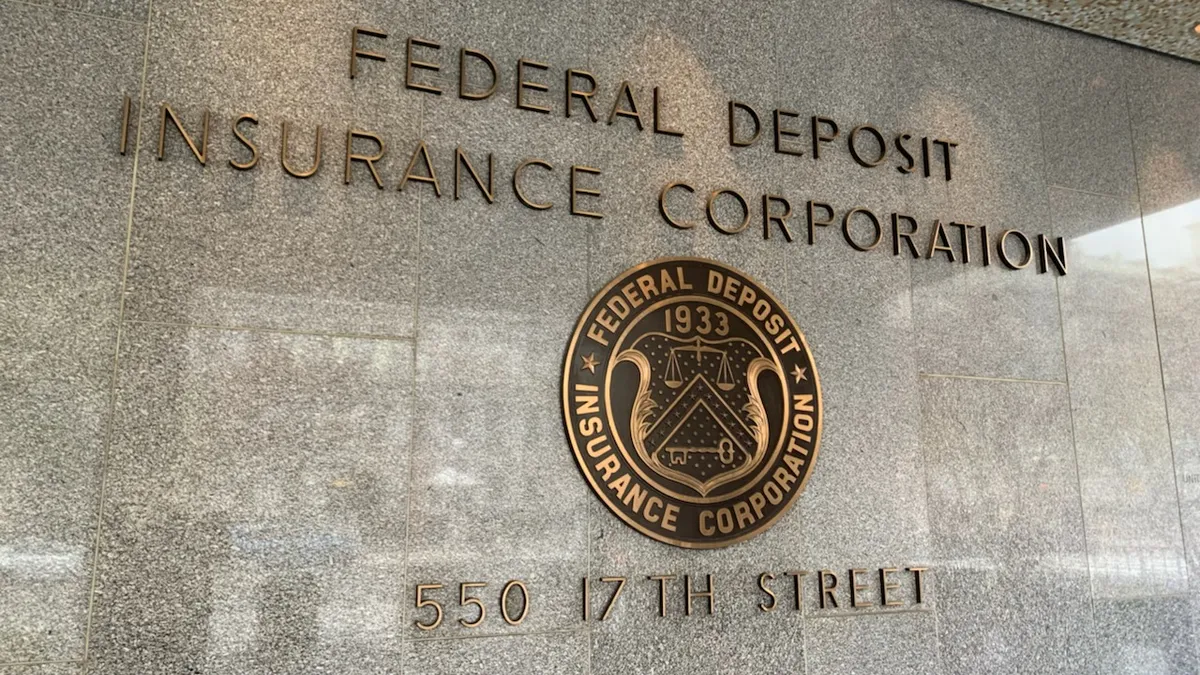
Sandy, Utah-based Sunwest Bank agreed to assume most of Nano’s assets through a deal with the Federal Deposit Insurance Corp., which became the failed bank’s receiver after the California Department of Financial Protection and Innovation closed Nano on Friday. Nano’s single branch is reopening Monday as a Sunwest location.
California’s DFPI cited Nano’s “deteriorating financial condition, as well as a multi-year pattern of executive mismanagement and regulatory violations” among reasons for its closure.
The regulator in March issued an order requiring Nano to increase its tangible shareholders’ equity ratio to at least 9.5% or else voluntarily liquidate, sell or merge with another institution.
“Nano Banc failed to successfully take any of the available actions,” the DFPI said, noting the lender’s shareholder equity had fallen below a statutory minimum of 3% -- giving it an “unsafe and unsound” designation.
The March order came after Nano reported a net loss of $75.3 million, the DFPI said. But the bank’s missteps long pre-dated that.
The DFPI said it saw “significant risk management weaknesses and violations of law,” as early as 2020, “including repeated unauthorized changes to the board and C-suite and executive self-dealing.”
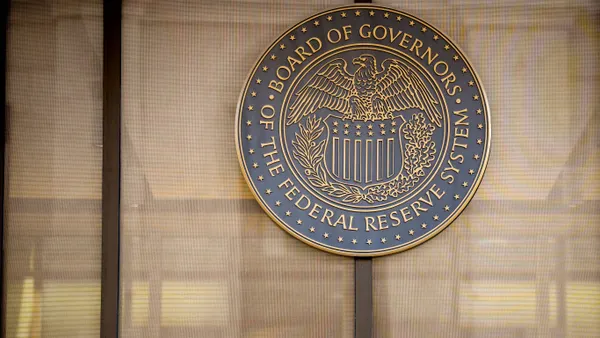
The Fed and the DFPI issued enforcement actions against the bank in February 2021. The central bank’s order focused on concern over Nano’s concentration of commercial real estate loans. The California regulator, meanwhile, ordered Nano to give advance notice before appointing, electing or adding new individuals to its board or executive management.
Both regulators issued additional orders within a year. The state regulator followed up in December 2021, handing Nano a cease-and-desist order for putting executives on administrative leave, naming a new CEO and chair, and replacing directors without the notice required in the February enforcement action.
The Fed ordered wide-ranging changes to Nano’s compliance and governance practices -- seeking improved oversight of lending to bank insiders, stronger leadership at both the bank and board level, and a thorough look at deficiencies concerning "insider transactions" and corporate expenses. The Fed terminated that enforcement action in April 2025.
However, the central bank banned Nano’s former interim CEO, Anthony Gressak III, and onetime Nano board member James Chung from the banking industry in 2024 for fraudulently obtaining COVID-era loans through the Paycheck Protection Program and other initiatives.
The FDIC estimates Nano’s failure will cost the Deposit Insurance Fund roughly $114 million. But that estimate is expected to change as retained assets are sold.
Nano’s asset total varies depending on which regulator is estimating. Nano reported $736 million in assets as of June, according to the FDIC. The DFPI, however, put that figure at roughly $690 million Friday.
Sunwest agreed to purchase roughly $476 million of Nano’s assets, according to the FDIC. The Utah bank said it also agreed to assume roughly $605 million in deposits and $227 million in loans.
In a statement, the Utah bank noted this marks the sixth time the FDIC has chosen it as an acquirer of failed assets.
“This opportunity reflects the financial strength, disciplined management, and stability that have defined Sunwest Bank for more than five decades,” Sunwest CEO Carson Lappetito, said Friday. “We are excited to welcome Nano Banc’s customers to Sunwest and show them the high-touch service, advanced technology and sophistication we offer to our clients.”
Nano is the sixth – and largest – U.S. bank to collapse in 2026, after earlier failures in Illinois, Georgia, Indiana, Kansas and Pennsylvania.
That means 2026 tops 2023 (five failures) as the decade’s most prolific year for bank collapses. By comparison, 2020 saw four; 2024 and 2025 each saw two; and no banks failed in either 2021 or 2022.