Although the financial services industry has gotten better at thwarting fraud, it “squeezes the crime balloon,” spurring criminal effort and energy to be directed toward harder-to-detect scams, a Navy Federal Credit Union executive said.
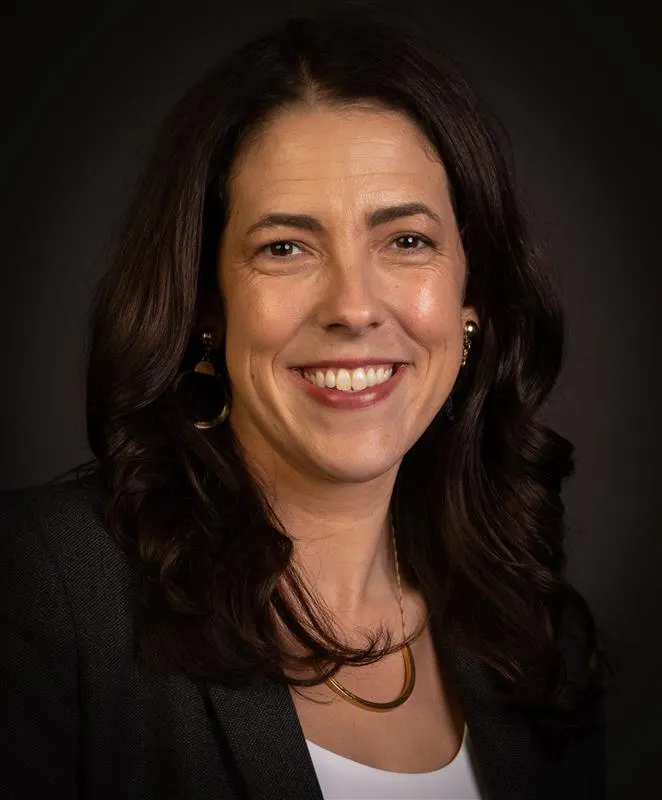
“The puzzle for fraud is really straightforward compared to scams,” said Carrie Foran Sepulveda, Navy Federal’s vice president of fraud and physical security. “We've done a ton of work on fraud. We have great defenses.”
Fraud attempts against Navy Federal members fell by about 25% from 2024 to 2025, the credit union said. But scams have become a bigger focus area for the country’s largest credit union, since that’s where criminal activity has shifted.
To detect scams, “for the most part, it's a totally different set of signals, data, tools,” Foran Sepulveda said.
With fraud, there are a number of different clues that help the credit union recognize and defend against someone other than the customer moving money. But with scams, it’s the customer taking action, which prompts further probing as to whether the account holder was duped into moving money or not.
Fraud and scams “get said in the same breath often, and for the consumer, I think the experiences have a lot in common,” she said. “But from how to actually fight this, it's very different.”
Scams impersonating the credit union or law enforcement are most common. The credit union works with the Global Anti-Scam Alliance and stays in close contact with others in financial services, as well as social media companies and law enforcement, Foran Sepulveda said.
An artificial intelligence-based crime prevention platform is also helping Navy Federal in the scams fight.
The Vienna, Virginia-based credit union began working with Cube AI in January. The platform uses AI bots to converse with scammers, and when scammers think they’ve snagged a victim and share a bank account or handle for the victim to send money to, Cube sends that account information to financial institutions, Foran Sepulveda said.
“So we get a list of essentially bad accounts, we know they're being used by scammers,” she said. “It's all just AI bots who are pretending to fall for scams. They were getting told where to send the money, so we’re very confident in that account” being a scammer’s, she said.
The credit union then uses that information to confidently warn members against sending money to those accounts.
“This is getting true data to say, this is a scam account,” rather than the credit union’s hunch that the scammer’s story doesn’t add up, she said. “We're able to interdict, and we've had a lot of success in that space.”
When AI is being used offensively by scammers and defensively by financial institutions, “it's going to create new, novel threats, and we're also going to have new, novel solutions,” Foran Sepulveda said.
The $204 billion-asset credit union has prevented about $125 million from being lost to wire scams over the past 19 months, Foran Sepulveda said.
If there are enough red flags in a suspected scam or fraud case, Navy Federal will not send the customer’s money. In the past, the credit union had members sign an affidavit if they insisted on sending or withdrawing money despite being warned or urged not to by Navy Federal, but the credit union discontinued that practice following a related lawsuit and instead refuses to facilitate the transfer, she said.
“If I feel that sure that you shouldn't have done it, at some point, we need to not do it,” she said. “That was a big change,” but “we’ve rallied around it.”
To address the issue more broadly, Foran Sepulveda would like to see enhanced guidance on financial institution rights in those situations.
“What can we do to hold funds when we think that something looks suspicious?” she said. If “we won’t send the wire, but if they say they want a cashier's check for their balance, there's nothing we can do. We don't have the right to withhold their funds from them. So, places like that where we're able to figure out, what are the rules of the road, how do we have safe harbor so that we can fight against this?”