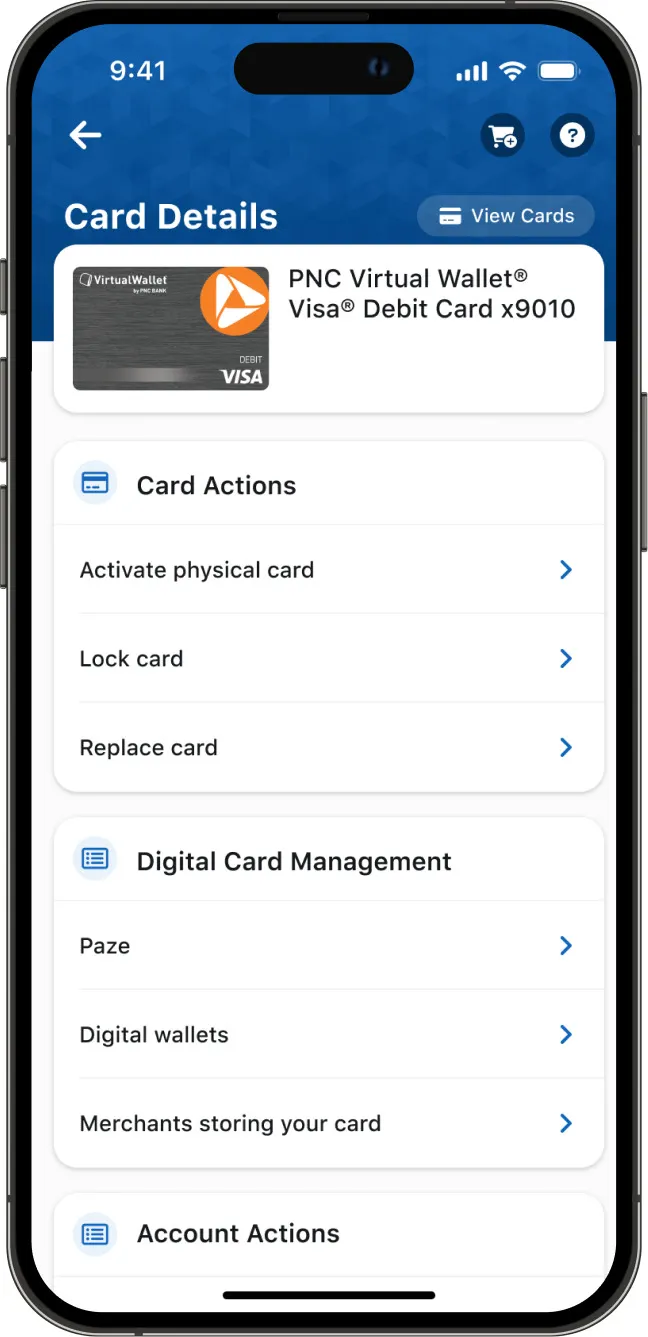
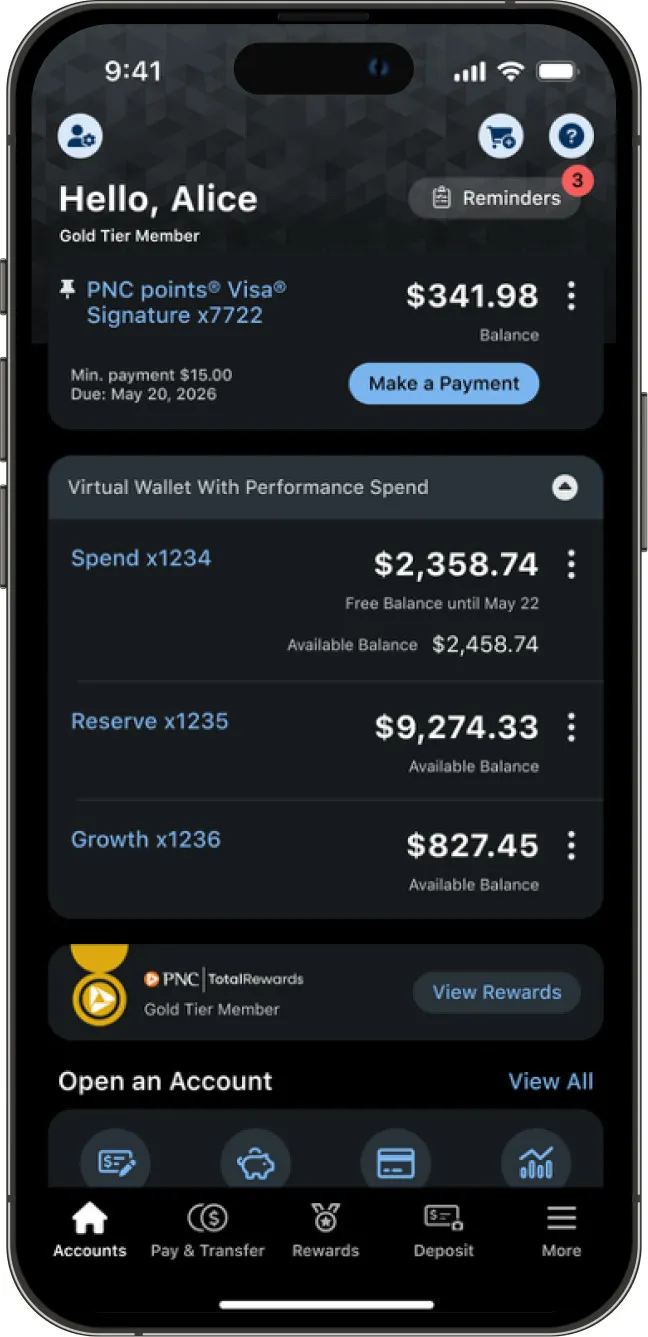
In developing a new mobile app for retail customers, PNC was intent on maximizing the app’s capability while not overwhelming users.
The Pittsburgh-based super-regional endeavored to create “a really personalized, really customizable app experience with a lot more features and functionality that we knew our customers wanted,” said Alex Overstrom, the lender’s head of retail banking, “but without making it heavy. What we wanted to do is keep it relatively simple and light, and allow clients to design the app the way that they want to experience it.”
The $603 billion-asset bank said Tuesday it’s rolling out the new app in phases, with all recently converted FirstBank customers and clients in some other markets receiving access first. The new app is expected to be available to all PNC retail and small business customers by the end of summer, the bank said.
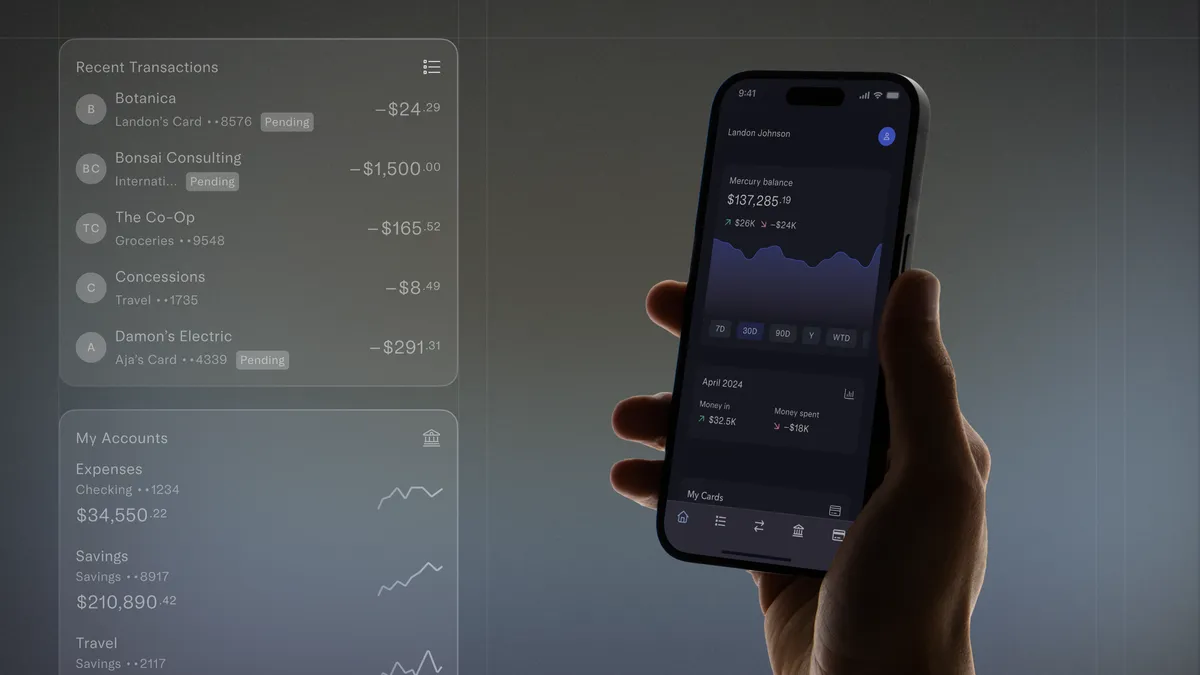
PNC modernized the look and feel of the app and revamped its navigation framework, which clients can customize, Overstrom said Tuesday in an interview. The app also includes a “dark mode” option – customers’ most-requested feature, he said – smoother payment capabilities, a more prominent rewards platform, and the addition of data-driven insights based on customers’ behaviors and transactions.
One improvement PNC prioritized: allowing customers to easily deepen their relationship with the bank through the app. The bank has made it simpler for customers to open an investing account or a credit card through the app, which Overstrom called “our most important branch.”
“We didn't do a very good job of that in our legacy mobile app,” so there was some catching up to do, Overstrom said.
Many banks grapple with the desire to add as much functionality to their app as they possibly can, “but you don't want it to just be a mess and have things everywhere and impossible to find,” Overstrom said.
“The challenge we gave to the team is, how do we add a whole bunch more into the app, which we think is really important, without making it overwhelming for our customers?” he said.
The bank sought to allow clients to customize and tailor the app based on what they use most and want access to, while PNC limits the number of menu layers and keeps things easy to access through one or two clicks, he said.
“What I’m trying to avoid is seven layers of menus to get to something,” he said.
PNC’s mobile active users jumped 8% year-over-year in the first quarter, and about 8 million customers now use the app. Overstrom said he expects the new app will bolster that growth.
The bank built the app using agentic artificial intelligence development – its first time doing so, Overstrom said. PNC built about 115 AI agents to autonomously handle the software development and testing workflow, and humans then reviewed their output.
That process required upfront investment, including the time to build an ecosystem of agents to shoulder the work, but the lender can now add features and functions to the app more quickly, Overstrom said.
In recent years, PNC has sought to modernize the back end of its digital experiences, an effort that was completed last year, Overstrom said. The bank then released a new online banking platform that allows for faster introduction of new capabilities, before launching the new app.
PNC declined to comment on the investment it’s made in the app.
During the bank’s fourth-quarter earnings call in January, CEO Bill Demchak said PNC spends about $3.5 billion annually on technology, and that’s expected to increase about 10% this year. Within that, AI is about 20% of that increase, he said. CFO Rob Reilly, at an investor conference in February, noted the bank has been refreshing its data center network to support continuous operations – something “a national footprint requires,” as the bank pursues greater scale, he said.
“You need to make sure you have really reliable digital experiences,” Overstrom said.
PNC plans to add incremental features and functions to the app with the goal of enabling customers to do anything within the app that they could do through a branch or customer service agent, Overstrom said.
The bank is trying to strike the right balance, creating the best experience for 90% of customers while still being able to serve the 10% of clients who want a more niche feature, he said.
“How can we make it more suited to how the client wants to use the app? This is the mindset we're trying to bring to all of these things, as opposed to trying to force clients into one channel or one experience,” he said.
Later this year, PNC plans to roll out its own digital assistant. Overstrom, however, indicated he’s being deliberate about how the bank will label it.
“We’re working on a slightly different flavor of it,” Overstrom said. “I want to give clients options. We want to make sure that clients choose to interact the way they want to interact with us.”