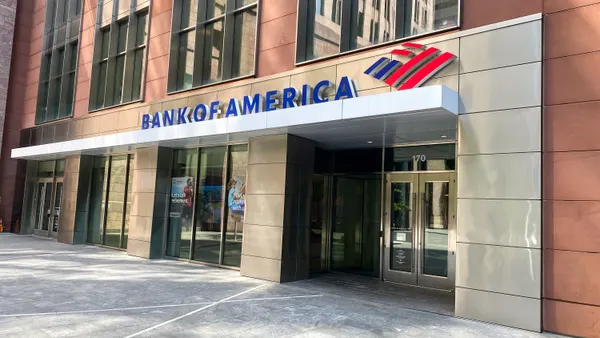
Bank of America has “significantly” increased investments in its credit cards business, putting hundreds of millions of dollars behind an aggressive push to meet growth targets laid out at the bank’s November investor day.
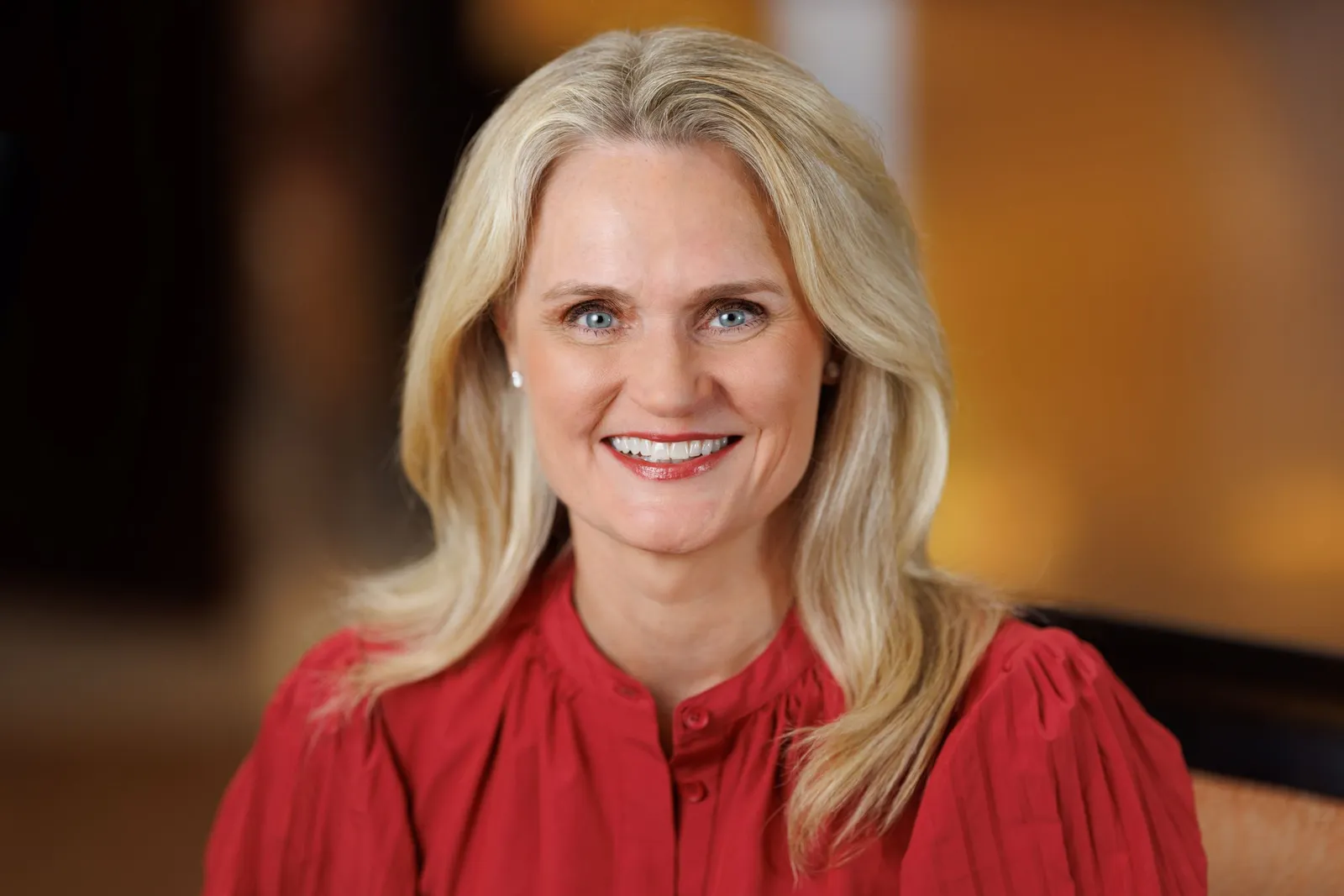
Investments include digital enhancements, card refreshes, increased marketing and bolstering relationships with co-brand partners, said Mary Hines Droesch, head of consumer and small-business products and analytics at Bank of America.
“All of those things in concert – from new product development, better marketing, digital experiences and underwriting – are what help us feel very confident about our card growth goals,” Hines Droesch said in an interview this week.
And later this month, the bank is planning to announce updates to its rewards program, which incentivizes customers for doing more with the bank.
As of November, about 71% of the bank’s checking clients had a credit card with BofA. The lender aims to push that to 80% in the medium term, while growing loans 5% annually, Holly O’Neill, president of consumer, retail and preferred banking, said at the bank’s investor day.
The bank’s consumer credit card business – a $101 billion portfolio with 39 million cards – “has size but has underperformed top peers,” UBS analyst Erika Najarian noted in November.
BofA now seeks to rev up growth amid an intensely competitive and rewards-focused landscape. Players like JPMorgan Chase, American Express and Capital One dominate the premium space, and spend big to do so, while other big banks such as Citi and Wells Fargo are gunning for greater share.
At BofA’s investor day, Co-President Dean Athanasia pledged the bank would “get more aggressive in credit card.”
The Charlotte, North Carolina-based company – the second-largest U.S. lender – holds $945 billion in consumer deposits and its 69 million consumer clients interact with the bank frequently. That offers a prime opportunity to deepen relationships, Hines Droesch said.
“We’re constantly looking to make sure we understand our customer needs and are delivering against them, seeing what the competition is doing,” she said. “If there’s some offering that we’re not delivering to our clients that would help us retain and grow clients, then we invest in that.”
The bank seeks to “not give our clients any reason to go elsewhere,” and its rewards program is a key component of that, Hines Droesch said.
The bank’s changes to its rewards offering will provide more personalized benefits, exclusive offers and better integration with customers’ core deposit accounts, according to a November note from JPMorgan Securities analyst Vivek Juneja.
The lender wants more of its checking account customers to get a BofA credit card and wants those credit card customers to make it their top-of-wallet card, Hines Droesch said. BofA also seeks to draw in new-to-bank customers to meet growth targets, she added.
“You need to make sure that you have the right value propositions on your core products to attract the right clients,” she said. “You need to make sure that you have the right promotional offers for acquisition, and even offers on an ongoing basis for your existing clients, to encourage spend.”
Growth in credit cards is geared toward furthering the consumer unit’s goal of generating $20 billion in annual profit in the medium term, a target shared at investor day.
To that end, BofA is working to improve digital experiences, making the credit card application process easier by prefilling customer information. It’s also using enhanced underwriting by tapping new data sources and advanced modeling techniques, Hines Droesch said. While sticking to its risk appetite, the bank has more sources of data to identify potential customers.
Marketing investments are designed to drive overall bank awareness and then pull that through to the product suite, she said.
She pointed to the bank’s sponsorship of the FIFA World Cup 2026 as an example of how the lender is amplifying sponsorships to drive sales. A December program intended to drive card applications allowed customers to select the World Cup image on their card plastic, which drew “tremendous” response, she added.
The bank also plans to expand its co-brand partnerships with travel companies Alaska Air and Royal Caribbean. Those ties “gives us access to a whole new client set that previously might not have engaged with us,” Hines Droesch said.
Doing more with existing partners is the focus, since “a lot of the big names in the co-brand space are pretty locked up,” she noted.
Another effort to attract and retain customers, especially Gen Z, is custom pay plan, a feature that enables post-purchase installment options. That’s been rolled out to a select group of “millions” of customers and is set to be launched broadly around midyear, Hines Droesch said.
The feature is another way for the bank to boost loan growth, geared toward a customer who may have a short-term need to carry a balance, she said.
“We know that [buy now, pay later] has proven to be more attractive to the younger generations than older generations, so we want to make sure we have a similar feature on our product,” Hines Droesch said. “But we also recognize that they always want something to talk about and put on Instagram. So things like having the World Cup on plastic is something that gets people’s attention.”