Citi’s installation of about 12 new private bank leaders in about 15 months is a signal of the lender’s intent to move up the ranks of the biggest private banks in North America, an executive said.
New York-based Citi is a top player on the global private banking stage, but is keen to grow its North America business and named Chris Biotti as head of North America for Citi Private Bank in May 2025.
In North America, Citi’s wealth client assets amount to more than $1 trillion, while about $3 trillion is not held at Citi, Biotti said in a recent interview. He had been the Northeast division executive at Bank of America’s private bank before joining Citi.
CEO Jane Fraser and other bank executives have made it clear Citi is eager to draw in more of its clients’ assets and drive higher returns, and building out the private bank leadership team is part of that effort, Biotti said.
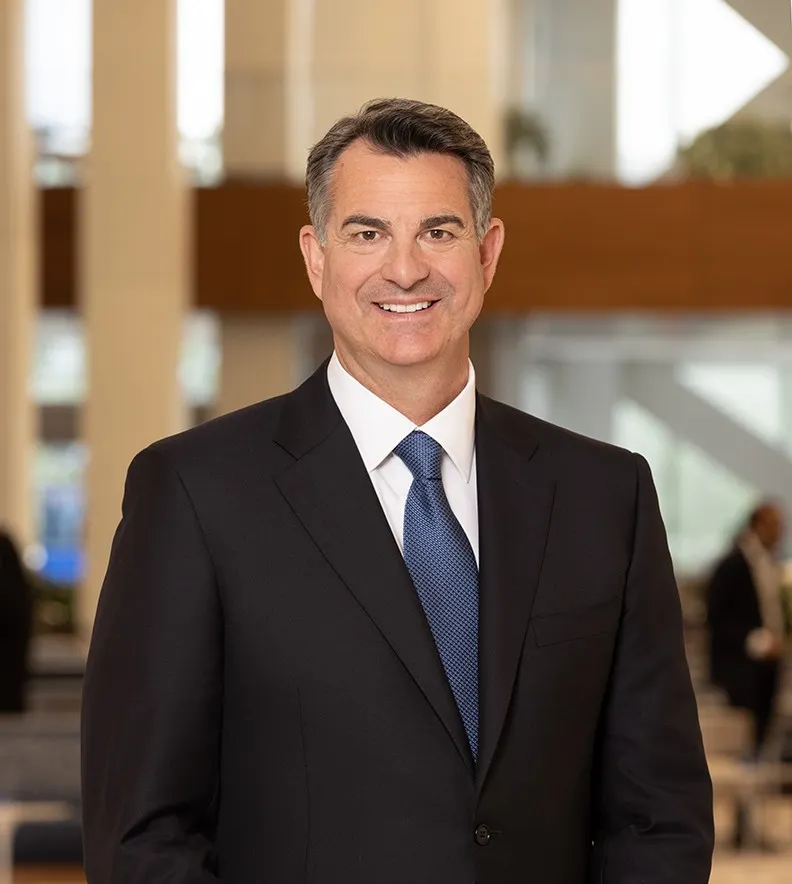
“Jane says it best: To be the best, you have to beat the best, and so we're going to have to beat the best all along that continuum to get to No. 1,” Biotti said.
After the sale of the Smith Barney wealth management business to Morgan Stanley post-2008 financial crisis, Citi’s wealth management position in North America “changed drastically, and now we’re rebuilding that position,” Biotti said.
That challenge is what drew him to the role at $2.89 trillion-asset Citi, which has undergone a sweeping transformation in recent years.
“They knew what they were pitching to me,” Biotti said. “I'm someone that likes a challenge, and so, from my perspective, the ability to mold this and to grow it, and to have that top ranking here in North America, is very appealing to me.”
The average Citi Private Bank client has a net worth of about $400 million. Citi’s clients tend to be more global and have more complex needs, and the bank does business with about one-quarter of the world’s billionaires, he said.
“Our biggest asset, in my mind, is our globality,” he said.
Biotti’s private bank peers across the globe include Kris Bitterly Michell, overseeing Latin America; James Holder, for the U.K., Europe, the Middle East and Africa; and Steven Lo, overseeing Asia and Australia.
They meet with Andy Sieg, Citi's head of wealth, weekly and have “locked arms in a lot of ways,” he said.
“Marquee names” that have joined Citi from Morgan Stanley, Goldman Sachs and BlackRock in the last couple of years made Biotti’s decision to jump to the bank easy, he said. Those include Dawn Nordberg, Citi’s head of integrated client engagement and global family office; Anne McCosker, global head of lending and deposits; and Kate Moore, chief investment officer for wealth, he said. And they’re making it easier for Biotti to bring on senior leaders.
“For the first time in my career,” he said, “my phone is ringing.”
The lender has added 43 bankers or investment counselors to its private bank since Biotti began in his role. New market executives include Chad Reddy in the western U.S.; Clinton Warren in the central part of the country; Woodward Middleton Jr. in the Southeast; Yannick Archambault in Canada; and Sam Gottesman in the Northeast.
Sieg, at the May investor day, said the private bank had about 620 bankers and investment counselors worldwide, with plans to add about 100 more in the near term.
Gottesman, who will join Citi in November, is an alum of the private banks at Bank of America and JPMorgan Chase.
Gottesman is “a very strategic hire because I'll have him in (Washington,) D.C. and I really want to think about the wealth corridor that exists between D.C. to New York,” Biotti said, including Baltimore, Philadelphia, Delaware and southern New Jersey.
The North America unit of the private bank has 17 offices in the U.S. and three in Canada.
Biotti constantly assesses geographic concentrations of wealth as well as migratory patterns. Wealth has moved into Texas and Florida, and California tends to be a hotspot for ultra-high-net-worth clients, he noted. He also has an eye on the Carolinas, which have been top beneficiaries of domestic migration in recent decades.
Citi’s return on tangible common equity was 13% in the second quarter, up from 8.7% one year earlier, and as the bank pushes toward higher returns, the wealth unit drives predictable, fee-based revenue, Biotti said. In Q2, private bank revenue rose 5% year over year and 2% quarter over quarter, to $769 million, due to higher deposit spreads and investment fee revenues.
Sieg “encourages us all to think like owners and to really take charge of our profit and loss,” he said. “We orient at Andy’s table around return on tangible common equity, because that’s how Jane organizes the company.”
He pointed to rising revenue and lower expenses, even as the private bank adds employees, Biotti said.
Of course, Citi has reduced its headcount by nearly 20,000 since early 2024, when it employed about 237,000 people, and that’s trimmed expenses; the bank’s headcount was about 219,000 as of the second quarter.