With Democrats winning control of Congress on Tuesday, “the run of favorable legislation for the banks has likely come to a close,” TD Securities analysts said.
Democratic control “hurts the direction of travel in the bank space,” TD Securities analysts led by Scott Siefers said in a note Wednesday, as their “policy aspirations largely run contrary to the business- and bank-friendly policies” advanced by the Trump administration.
However, practical implications could be limited in the near term as President Donald Trump maintains veto power, Siefers said.
Abrupt shifts in supervisory priorities are unlikely, Citi analysts led by Benjamin Gerlinger said in a note Wednesday, as “key financial regulatory bodies are expected to maintain stable leadership.”
However, Democratic committee heads “will likely lead to more visible hearings and inquiries into areas such as consumer protection, lending standards, and climate-related financial disclosures,” Gerlinger said.
Joann Needleman, head of the financial services regulatory and compliance practice at law firm Clark Hill, also projects an uptick in hearings, but warned against them as “political theater.”
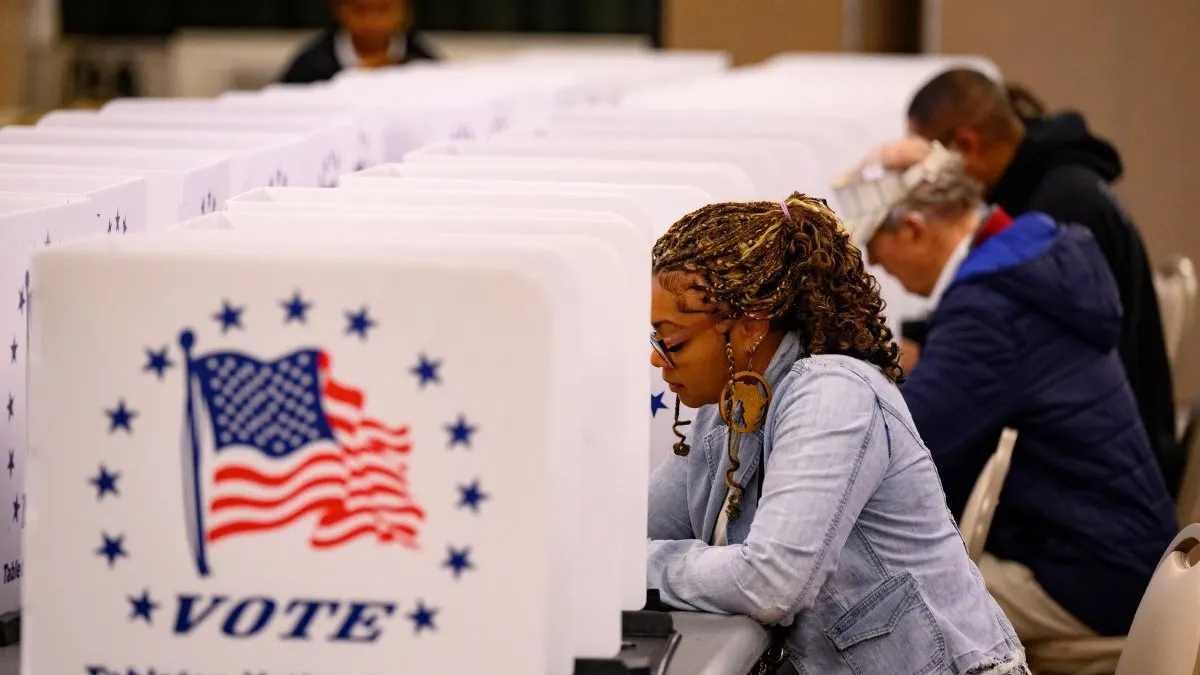
“The electorate has said we need you to get things done, and political theater doesn't necessarily get stuff done,” she said. More hearings are “great and fine,” she said in an interview Wednesday, “but you better do something about gas prices and the economy because that's what they clearly voted you in there to do.”
Oversight
The House Financial Services Committee is primed for changes in January as multiple sitting members lost to opponents – and others were elected to new positions.
Reps. Ann Wagner, R-MO; Zach Nunn, R-IA; and Bryan Steil, R-WI, lost their respective races. Rep. Andy Barr, R-KY, will leave the committee after securing a seat in the Senate. Rep. Byron Donalds, R-FL, will leave the committee to become governor of Florida.
Former Senate Banking Committee Chair Sherrod Brown, D-OH, who lost his seat in 2024, will return to the chamber after winning a special election.
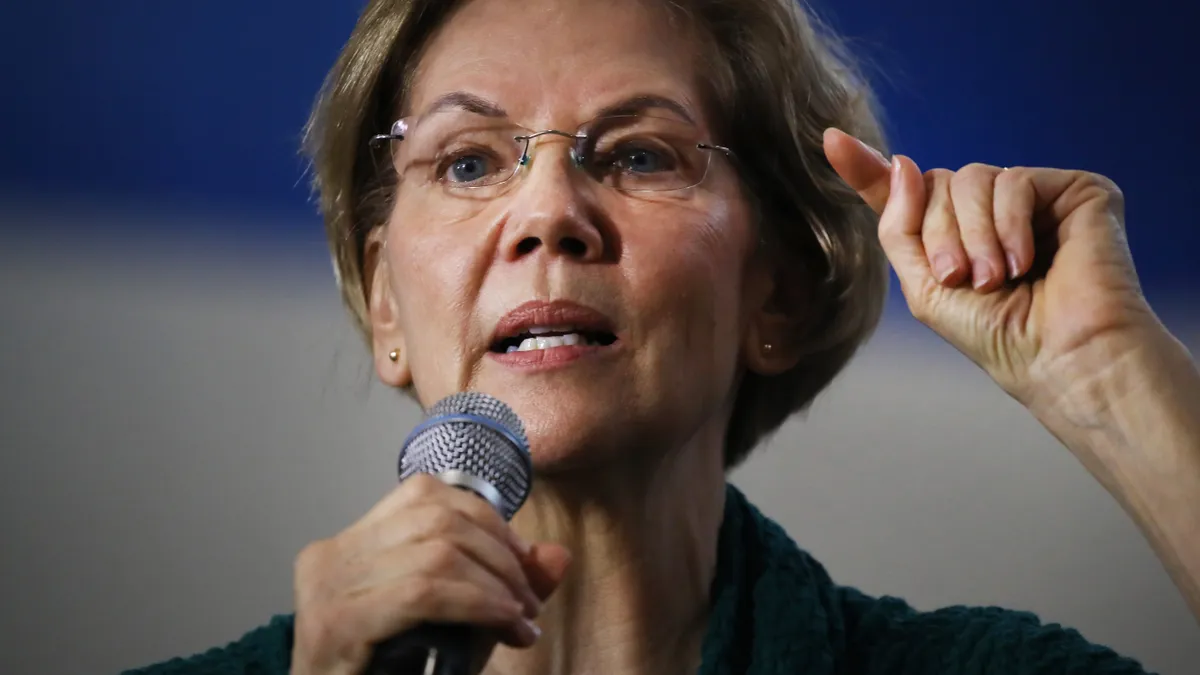
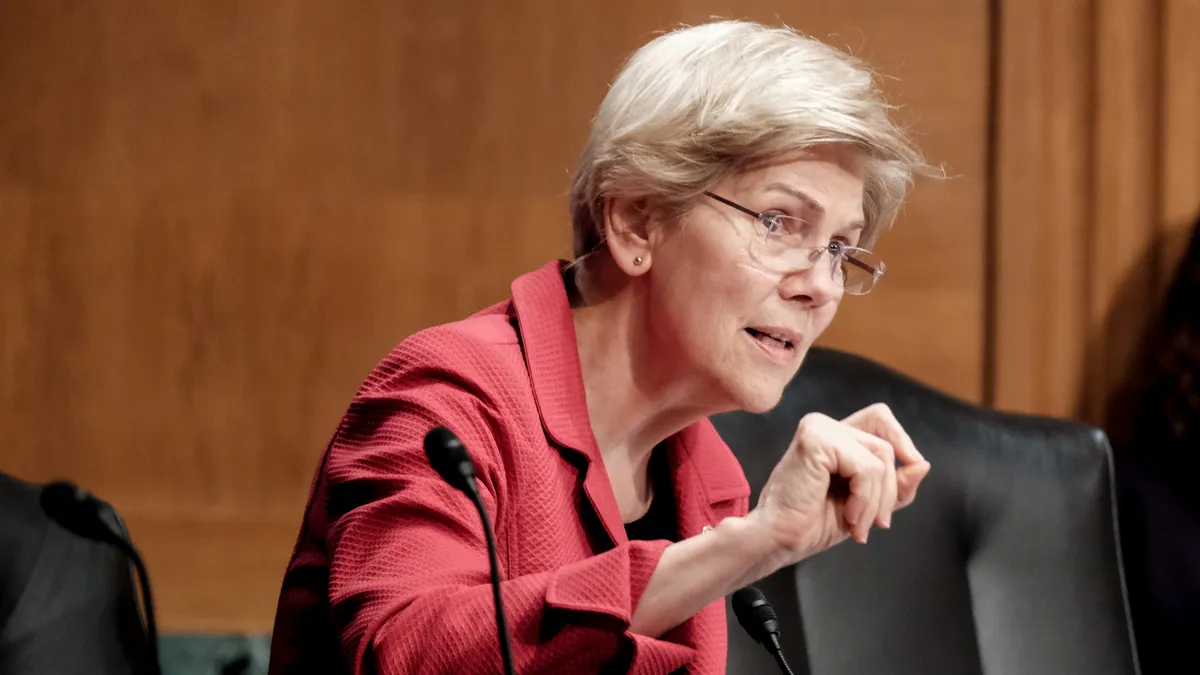
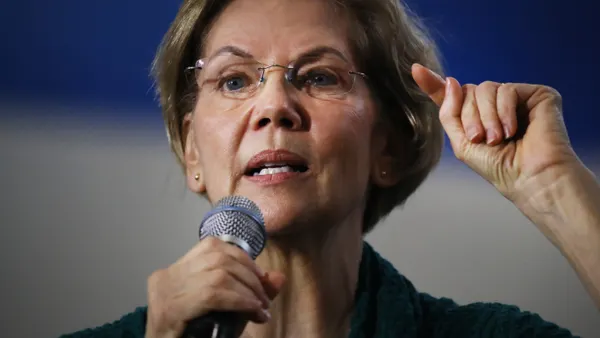
A change in control means both committees will have new chairs: Rep. Maxine Waters, D-CA, would be the presumptive chair of the House committee due to seniority; and Sen. Elizabeth Warren, D-MA, presumably, would lead the Senate panel.
“Democrats’ control of the Senate reclaims the party's ability to approve or deny the President's nominees for judges and heads of other executive branch agencies,” UBS analysts led by Jonathan Pringle wrote in a note Wednesday. “That includes the need for Democrats to approve any new members of the Board of Governors of the Federal Reserve System should one of the existing Governors step aside.”
The median term for a Fed governor is five years, Pringle noted, and Gov. Chris Waller is going on eight. Phillip Jefferson's term as vice chair ends in September; and Gov. Jerome Powell has indicated he would leave when issues related to the Fed’s over-budget renovation are resolved.
Federal versus state
Change will likely come at the state level, however, with Democrats in more statehouse, governor and attorneys general roles, Needleman said.
For example, some states have taken up swipe fees as an issue, she said, but the federal nature of financial services – including the national footprint of many institutions – means financial services as “not regional,” and federal law generally preempts state law.
Still, “[t]here's going to be a big battle between existing federal laws and bank preemption and state laws,” she said.
States’ attempts to regulate artificial intelligence could see impact, too, from Tuesday’s results. Colorado Attorney General Phil Weiser, for one, has been a proponent of AI regulation – and as of Tuesday night, he is the Centennial State’s governor-elect.
Before the bell rings
Nearly five months have passed since Trump nominated Brian Johnson, the Consumer Financial Protection Bureau’s former No. 2, to lead the agency.
The Senate Banking Committee advanced Johnson’s nomination to a full-floor vote in September, but the vote is not yet scheduled.
If Republicans want Johnson to lead the CFPB, they need to vote him in before this Congress adjourns, Needleman said. Come January, “you don't have the votes in the Senate to approve him, and Elizabeth Warren is going to ring a bell [and say] he's not the right person.”