The Office of the Comptroller of the Currency conditionally approved five digital asset firms, including Circle, Ripple and Paxos, for de novo national trust bank charters, the regulator announced Friday.
Circle’s First National Digital Currency Bank and Ripple National Trust Bank were conditionally approved for national trust charters, while Paxos Trust Co., BitGo Bank & Trust and Fidelity Digital Assets’ state charters will be converted to national ones.
“Paxos is now entering a new phase of regulatory supervision and we’re excited to power a platform subject to federal oversight and supervision,” CEO Charles Cascarilla said in a statement Friday. “This will enable customers to innovate, incubate and grow digital asset businesses safely and seamlessly within the US.”
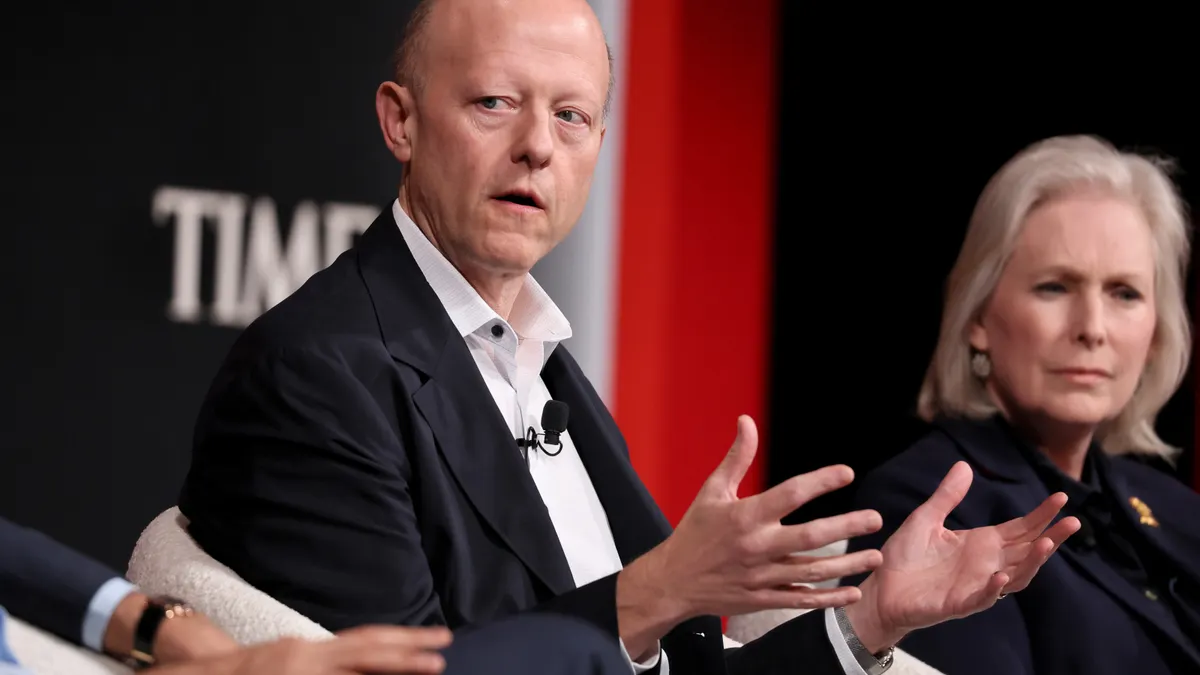
Circle CEO Jeremy Allaire said the charter move “deepens” his firm’s “longstanding commitment to the highest standards of trust and compliance.
“This important milestone will give the world’s leading institutions greater clarity and confidence to build on Circle’s platform as stablecoins and blockchain technology move rapidly into the mainstream,” Allaire said in a statement Friday. “As a public company, we’re focused on operating under rigorous regulatory oversight and building the infrastructure that allows digital dollars like USDC to become a core part of global finance.”
The OCC, for its part, said it “applied the same rigorous review and standards it applies to all charter applications.”
“New entrants into the federal banking sector are good for consumers, the banking industry and the economy,” Comptroller of the Currency Jonathan Gould said in a statement. “They provide access to new products, services and sources of credit to consumers, and ensure a dynamic, competitive and diverse banking system.”
In a speech Monday to the Blockchain Association, Gould said the OCC has allowed national trusts to engage in nonfiduciary custody activity for decades, adding that prohibiting them from engaging in such activities would “not only threaten to undermine the dynamic and evolving nature of the federal banking system but would also disrupt well over a trillion dollars in traditional activities of existing national trust banks.”
“Custody and safekeeping services have been happening electronically for decades,” Gould said Monday. “There is simply no justification for considering digital assets differently.”
The five firms will join the ranks of 60 already-established national trust banks. Not every high-profile cryptocurrency-related charter application saw approval, though. Coinbase’s application and that of Stripe subsidiary Bridge were not among those approved Friday.
Gould and Federal Deposit Insurance Corp. Acting Chair Travis Hill have vocally advocated for new bank charters.
Anchorage Digital, previously the only other crypto firm to receive OCC approval for a national trust bank, lauded its new contemporaries.
“Anchorage Digital Bank became the first federally chartered crypto bank in January 2021— and we never wanted to be the last. This is long overdue,” CEO Nathan McCauley said in a release seen by Banking Dive. “With a nearly five-year head start — and immense investment in compliance along the way — Anchorage Digital Bank has pioneered a path for others to follow.”
Not everyone is as enthused over the charter news. Greg Baer, CEO of the Bank Policy Institute, a trade group, said the development “leaves substantial unanswered questions … chiefly, whether the requirements the OCC has outlined for the applicants are appropriately tailored to the activities and risks in which the trust will engage.”
“We hope the OCC will share more details about these applications so the public can better understand the rationale behind today’s decision,” Baer said.
Ripple CEO Brad Garlinghouse decried “anti-innovation bank lobbyists” in his statement Friday.
“The conditional approval of our trust bank charter represents a massive step forward –setting the highest standard for stablecoin compliance with both federal and state oversight … ensuring [the firm’s token] is the most transparent and responsibly managed stablecoin in the market today,” Garlinghouse said.