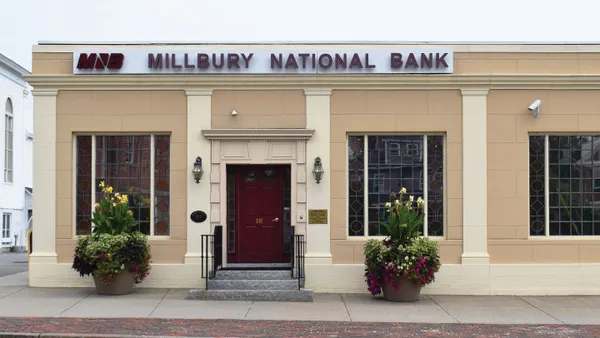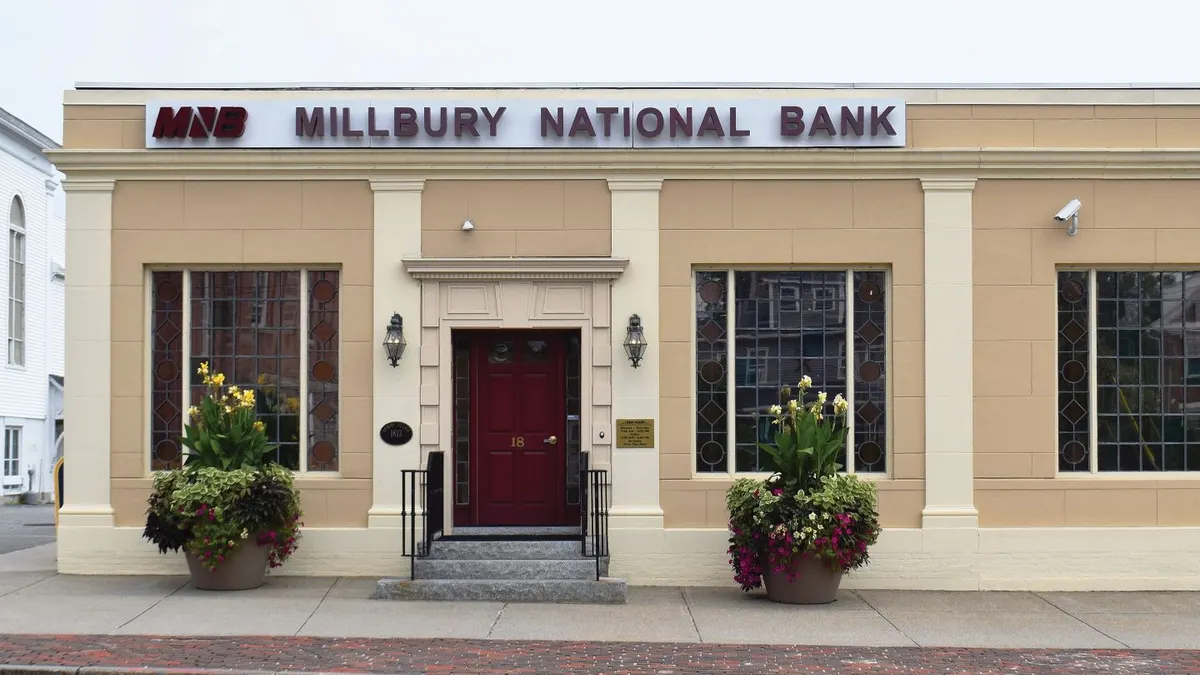
A welcome greeting can make a difference – and, in Millbury National Bank’s case, can also serve as a deterrent to robbery.
Such was the case one day in the mid-2000s, when a man walked into the Millbury, Massachusetts-based bank looking for a stick-up, only to be metaphorically disarmed by a teller too friendly to rob.
He left after the teller greeted him and offered to help with the briefcase he was fumbling with, recounted Chairman Kate Marcum, who was CEO at the time. No one at Millbury knew he walked out and robbed a different nearby bank instead, until the cops showed up.
“The police came to us an hour later and said, ‘Did you see this guy?’ and the teller [had] a complete description of him,” Marcum said. Camera footage showed he’d been casing the bank since the previous day.
It’s Millbury National’s practice to greet everyone who walks through the door, most of them by name, she said. Not only does it keep the community feeling in community banking – it turns out to be “a great security tool.”
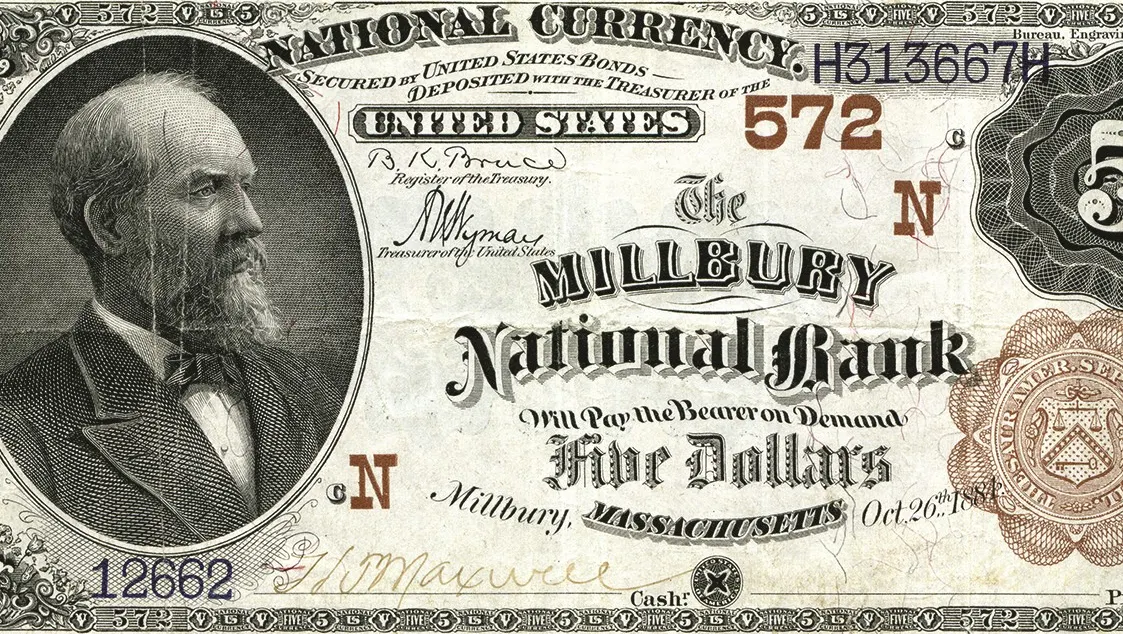
At 201 years old, $140 million-asset Millbury National Bank is one of the nation’s oldest financial institutions, predating the Office of the Comptroller of the Currency by several decades.
It’s been a storied 201 years. Asa Waters II founded the bank in 1825 – when no other banks would finance his gun factory, he created a bank to finance it himself. Walk in today and you’ll see guns still on display. Marcum said it “always takes the examiners aback.”
Millbury National Bank, née Millbury Bank, as it was called pre-chartering, has been on the same street since opening its doors, and the same building since 1924.
Customers and employees walk through the same doorway now that they would have gone through during the bank run that preceded the Great Depression. Following the crash, then-bank President E. Paul Harris – Marcum’s grandfather – went knocking door-to-door to get investors to buy stock.
It was his plan to “recapitalize the bank after the crash,” she said. “And that's how he did it.”
The bank is closely held by roughly 50 stockholders, many within the same families who have led the bank for several generations.
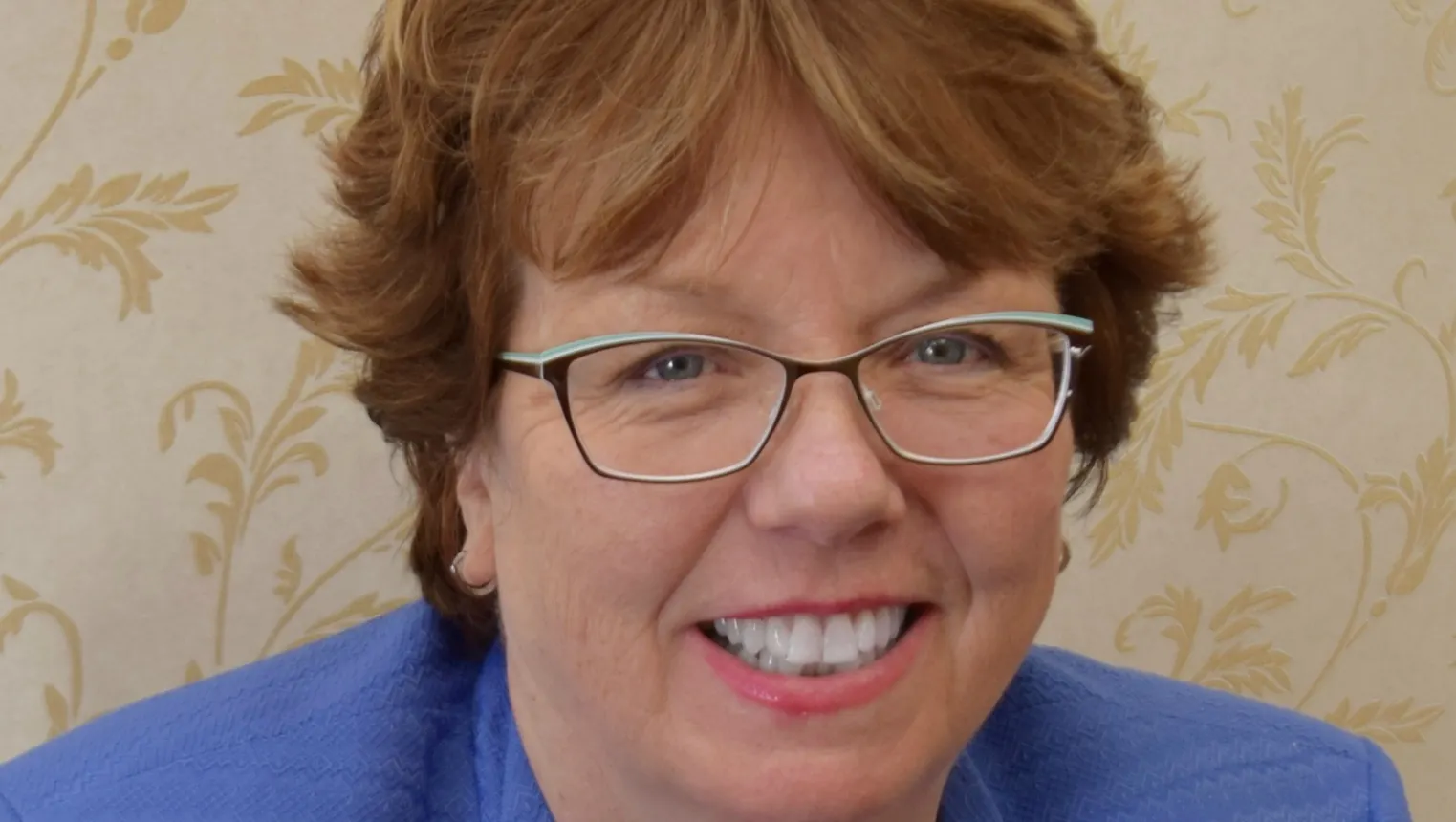
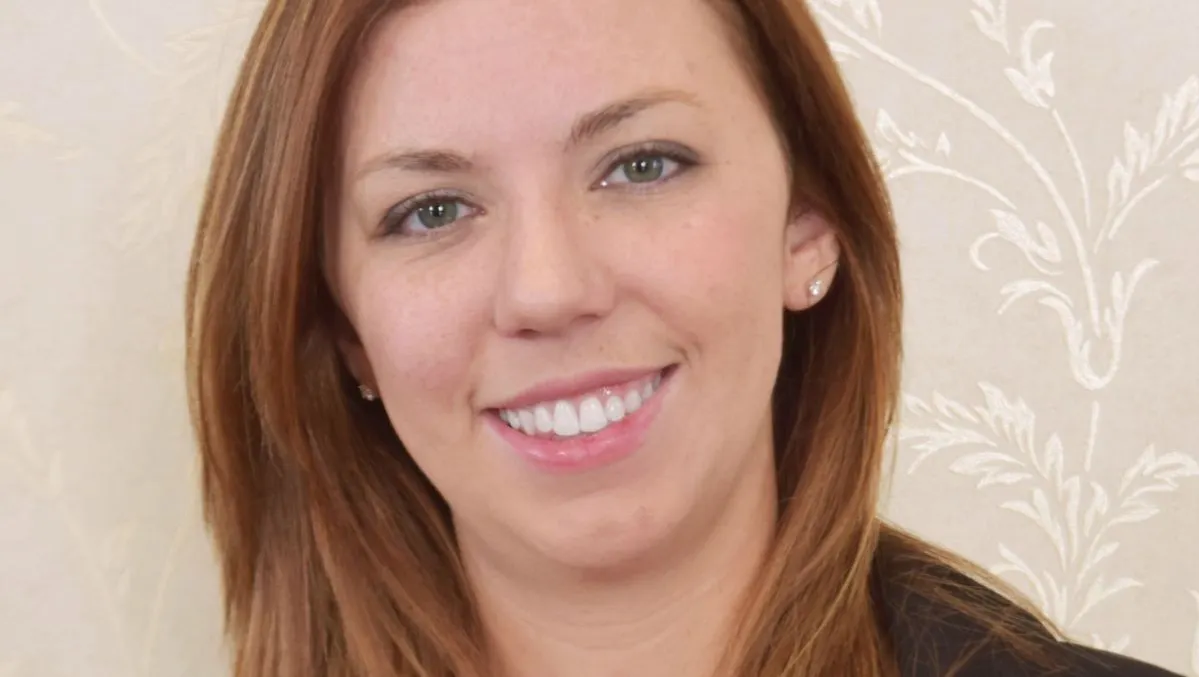
When Marcum joined the bank 33 years ago, her father was CEO. Now, her sister, Suzanne Nydam, is CFO and her daughter, Ashley Mathers, is vice president.
More than half of Millbury National is owned by women, allowing the bank to receive its minority depository institution designation in 2023.
It had been that way for a long time, Marcum said, but the bank pursued the designation in 2023 when high-yield products from other banks and fintechs started drawing deposits away.
“When deposits were running out the door, and all banks were looking at how they're going to get deposits without increasing their cost of funds, we found this way,” Marcum said.
The single-branch bank was, for 23 years, a two-branch bank, with a second location roughly four miles away in Grafton.
Customers of the Grafton branch were unnerved by news of its planned closure in September 2019, but changed their tune following “a nice soiree” which allowed them to get to know the main office and the folks who worked there, Marcum said.
The bank didn’t lose a single customer with the branch closure. It allowed for a timely investment: Millbury invested the money from the closed branch into its online capabilities and a new core.
Six months later, those investments allowed the bank to weather another storm: the COVID-19 pandemic.
Customer retention hasn’t exactly been a big challenge for Millbury National. Its customer base is as multi-generational as its leadership is. The connection is deeper than just being greeted by name at the door, explained Marcum and Mathers.
“We do a really good job at remembering and recognizing life events that people are going through, whether they're good or bad,” Mathers said.
“We go to the funerals. We go to the wakes, because we're part of their family, and it makes a difference,” Marcum said. “People remember.”
Today, as larger institutions snap up small banks in record numbers, Millbury remains committed to its independence.
“We look at management succession, board succession and stockholder succession, and we pay attention to it,” Marcum said. “Our number-one priority in our strategic plan is to stay independent.”
“We’ve certainly had offers, but we’re just not interested,” she said. “People say you have to have a certain-sized bank. We don't find that. We're able to make money. We're profitable. We have good exams, and we get good feedback from the OCC, from our peers.”