A PNC branch executive is counting on the lender’s hospitality focus being even more advantageous amid the proliferation of artificial intelligence.
PNC has zeroed in on the friendliness concept in recent years, from hiring branch staff from the hospitality industry to walking customers to their cars under an umbrella on rainy days.
Jeff Martinez said the hours he invests in employee training geared toward providing a warm and welcoming experience at the bank’s locations will “be worth 10x a year from now.”
Bank customers becoming increasingly comfortable with help from generative AI are likely to do initial research through that channel, said Martinez, the Pittsburgh-based bank’s head of branch distribution and sales management.
But Martinez is confident customers will want to connect with bank employees during consequential moments in their financial lives, even if it’s to reinforce what they already heard from a large language model, he said.
“That is an art form married with science, that I think in ‘27 is going to be worth more than in ‘26,” Martinez said in a recent interview.
By 2030, people will seek out human guidance amid the rise of AI-generated advice, he predicted, and PNC’s efforts to prioritize hospitality will pay dividends.
Banks are eager to play up their human side in the battle against generative AI, and doing so will be essential to maintain customer relationships, said Udi Ziv, the CEO of fintech Personetics.
LLMs and AI agents could disintermediate banks’ relationships with customers and turn lenders into “an invisible utility,” Ziv said last month. The human channel “is the biggest moat or the biggest differentiator the banks have” against AI, he said.
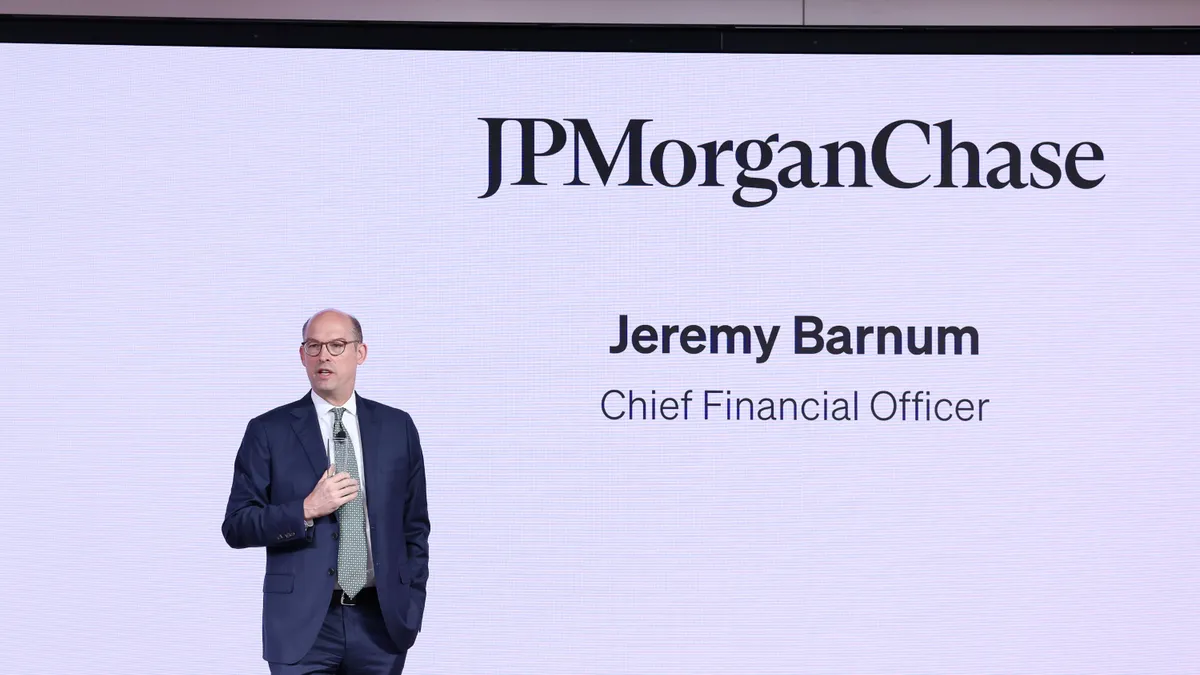
A JPMorgan Chase billboard in Charlotte, North Carolina, on Oct. 31 advertised, “Money questions. Human answers.” Canadian lender TD, earlier this year, launched a marketing campaign with the tagline “More Human.”
As PNC has pulled new branch staff from the hospitality industry, Martinez said the lender has learned hyper-local hires are essential. It’s beneficial for the bank when someone known in the community is now affiliated with the PNC brand, he said.
Earlier this month, $627.8 billion-asset PNC broadened its branch expansion plans, adding about 53 locations across eight markets in South Carolina and Georgia, and 10 more in Texas, Florida and North Carolina to its existing expansion efforts.
“When the music stops, you have to have critical share if you want to be a real retail player in the country,” PNC CEO Bill Demchak said Nov. 6 at the BancAnalysts Association of Boston conference.
PNC targets about 7% branch share in its expansion markets.
“We’ve got to do this today because the game is going to end. I think there’s only four or five players that even realize a game is going on,” Demchak said, “and we’ve got to be a winner that comes out of the back end of that.”
In his role, Martinez is focused on making sure that when the game of musical chairs does stop, “PNC not only has a chair but has a very favorable one.”
PNC has about 2,400 branches; its expansion plans now stand at about 370 new locations by 2031. As the lender strives for growth across the country, it’s working to build more branches in the Southeast, Southwest and Chicago.
Expanding its physical footprint is a “rabbit hole” PNC “wanted to go down,” Martinez said.
The lender is largely leaning in “where there is some brand recognition, where we’ve been in the outskirts of a market for a while” in a “light or ultra-light fashion,” he said.
Martinez pointed to Miami as an example. The bank had one branch in the area in 2019, and plans to have 50 by the end of 2028.
Expanding in places PNC has already planted a flag allows it to build on long-standing relationships with local developers, he noted. “In a competitive state like Texas, there’s a big advantage,” he said.
Martinez declined to name other markets PNC is considering for expansion, but pointed to Kansas City and Boston as two cities where the bank now has a small presence.
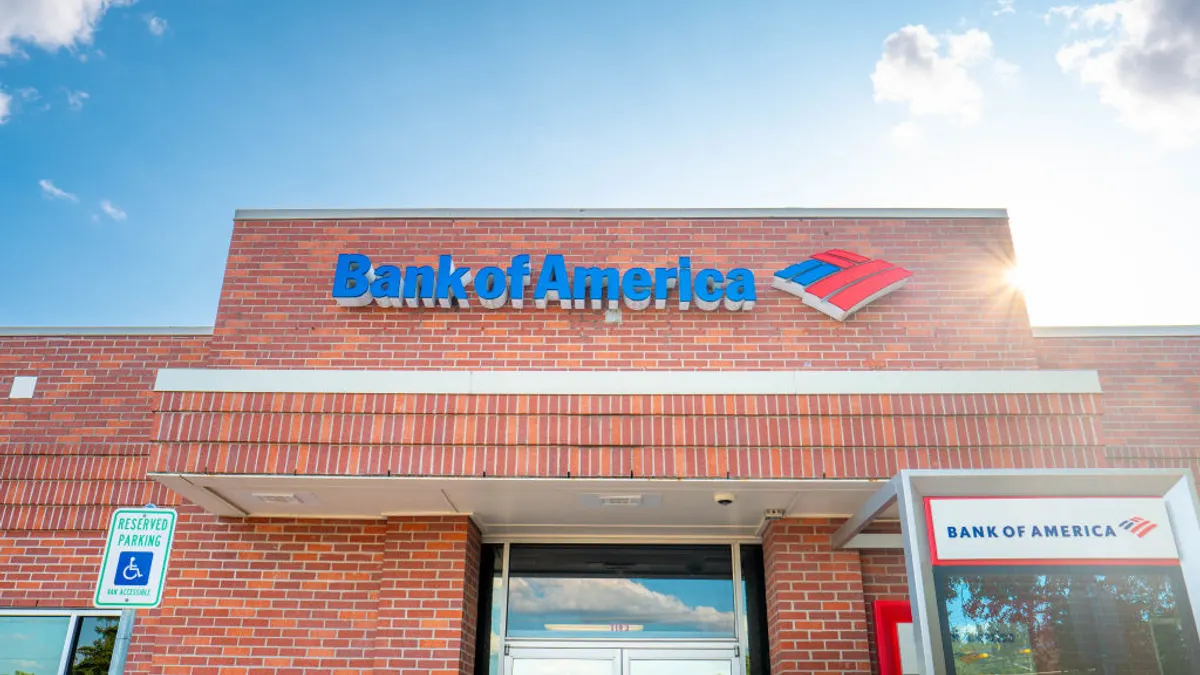
As customers visit bank locations less frequently, a number of lenders – including JPMorgan Chase, Bank of America, TD and some regional players – are racing to bolster their physical presence.
Martinez said he appreciates “that the buzz around brick-and-mortar expansion in our industry is more rampant, and it’s not just us and, say, Chase.”
“When everyone is doing it,” he said, it makes clear “those that are doing it right and those that are just doing it.”