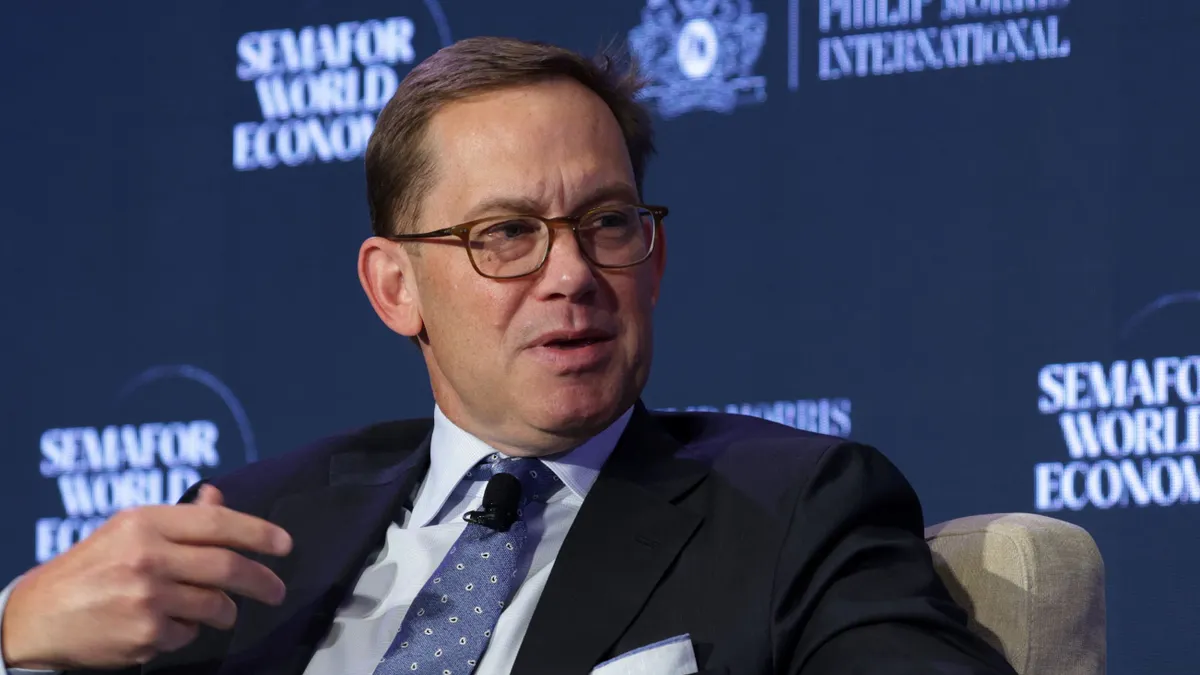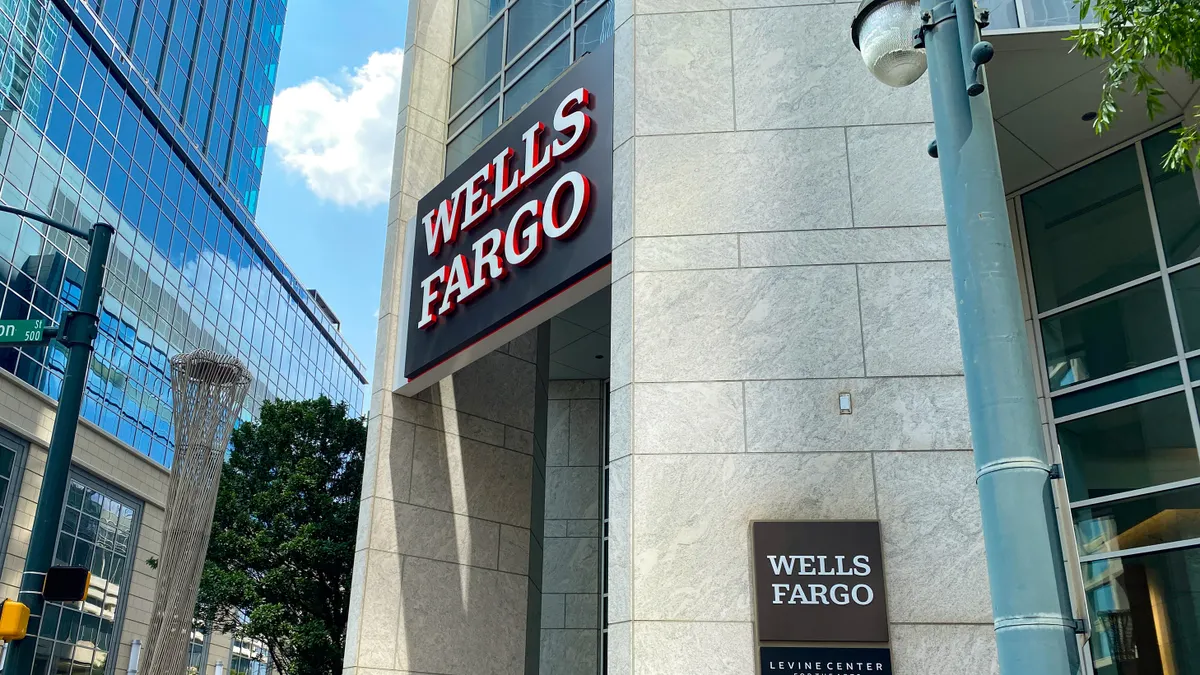
The CEO of corporate and investment banking at Wells Fargo expects a “now or never” view is likely to spur merger and acquisition activity over the next year.
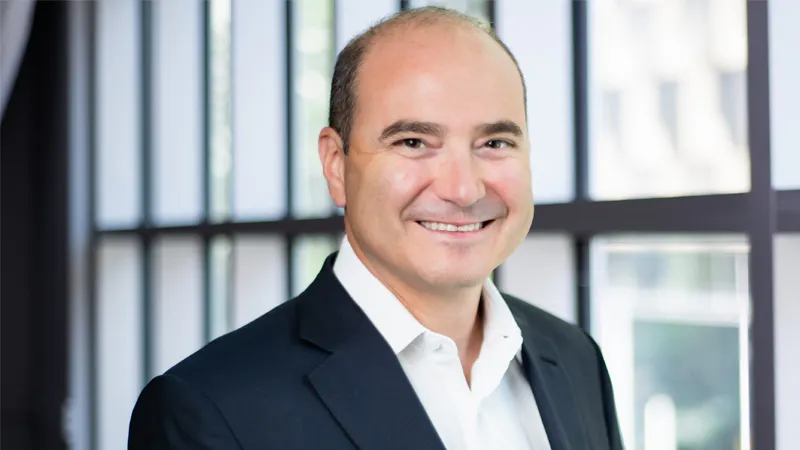
Fernando Rivas, speaking Thursday at the BancAnalysts Association of Boston annual conference, pointed to this week’s midterm election results as an indication the more permissive regulatory attitude toward deals may disappear in two years.
Democrats on Tuesday won control of Congress, which some analysts said could bring an end to the business- and bank-friendly policies the Trump administration has advanced.
At the outset of President Donald Trump’s second term, which portended a friendlier environment for dealmaking, “there was very clearly a view of, it may be now or never” – something Rivas said he hadn’t seen in his 30-year career.
The Biden-era Federal Trade Commission and Justice Department “could very easily come back in [20]28, and then that could be there for four years, could be for eight years, could be for 12 years,” Rivas said.
Under the Biden administration, those federal agencies applied more scrutiny to mergers and market concentration.
The outcome of the midterms is likely to reignite urgency around merger and acquisition opportunities, Rivas said.
“That's going to come back to the forefront of the conversation,” Rivas said. “There is an opportunity to get something done now that you may never have the opportunity to do. … and that still exists because the agencies remain under executive control.”
He expects to see transactions in the remainder of this year and in 2027 “driven by folks thinking there’s a real regulatory window. It’s a reality.”
In the banking industry, consolidation has ramped since early 2025. The midterms are likely to “catalyze M&A,” with a Democratic wave kicking off a “shot clock,” if 2028 ushers in a different regulatory posture, UBS analyst Timur Braziler wrote Tuesday.
Rivas joined Wells in May 2024, after spending nearly 30 years at JPMorgan Chase. Before he left the top U.S. bank, he led investment banking for North America.
His appointment at $2.3 trillion-asset Wells was one of a handful aimed at bolstering the San Francisco-based lender’s corporate dealmaking and trading business.
“I had advised Wells Fargo on the Wachovia deal back in 2008, so I knew the bank really well,” Rivas said Thursday.
As Wells works to grow its share in corporate and investment banking, Rivas said his teams devote time to discussing risk management, culture and building a good business.
“Maybe in the NFL or in college football, there's a debate about, does offense or defense win championships. There's no debate in banking, right? Defense wins championships,” Rivas said.
To ensure it’s lining up good quality business, the bank employs rigorous and detailed processes with any loan or financing it extends, he said.
“We're always reminding people: there's no deal we need to do,” he said. “A lot of mistakes are made because people feel under pressure.”
“We're always telling people, we've got really exciting plans, we want to grow, we think we should grow. We don't have to grow,” Rivas said. Given the bank’s size and that it has more than one way to achieve its return on tangible common equity target, “we have the privilege of not having to do anything.”
Wells’ corporate and investment banking revenue rose 3% in the third quarter, to $5 billion, while net income dipped 2%, to $1.9 billion. The segment’s return on tangible common equity is about 15%, he said.
“You're always managing that dynamic of raising expectations and … making sure we're optimizing the opportunities that are in front of us, but always setting a very clear tone on risk and client selection and the business that we want to do,” Rivas said.
As financing for artificial intelligence-related infrastructure has swelled across the industry, Rivas declined to share figures around the CIB’s exposures in that area.
A cross-functional team within the corporate and investment bank brings together data center experts as well as those in infrastructure and project finance, energy, and structured products, who crafted “a very intentional strategy,” he said.
Looking across hyperscalers such as Amazon and Google, large language model companies and others tied to the AI space, “we had projections going out multiple years for what do we think the demand is going to be, where are the places that we're going to want to play, what are the limits that we want to put in place, what are the underwriting criteria that we want to have?”
AI and data center strategy has become a “top-three topic at Wells,” with executives reviewing deals weekly and conducting deep dives routinely, Rivas said.
“Sizing really matters, because at the end of the day, this is a really big opportunity,” he said. “At some horizon, the future is unknowable, and your No. 1 protection against that is your limits and just how big you are.”