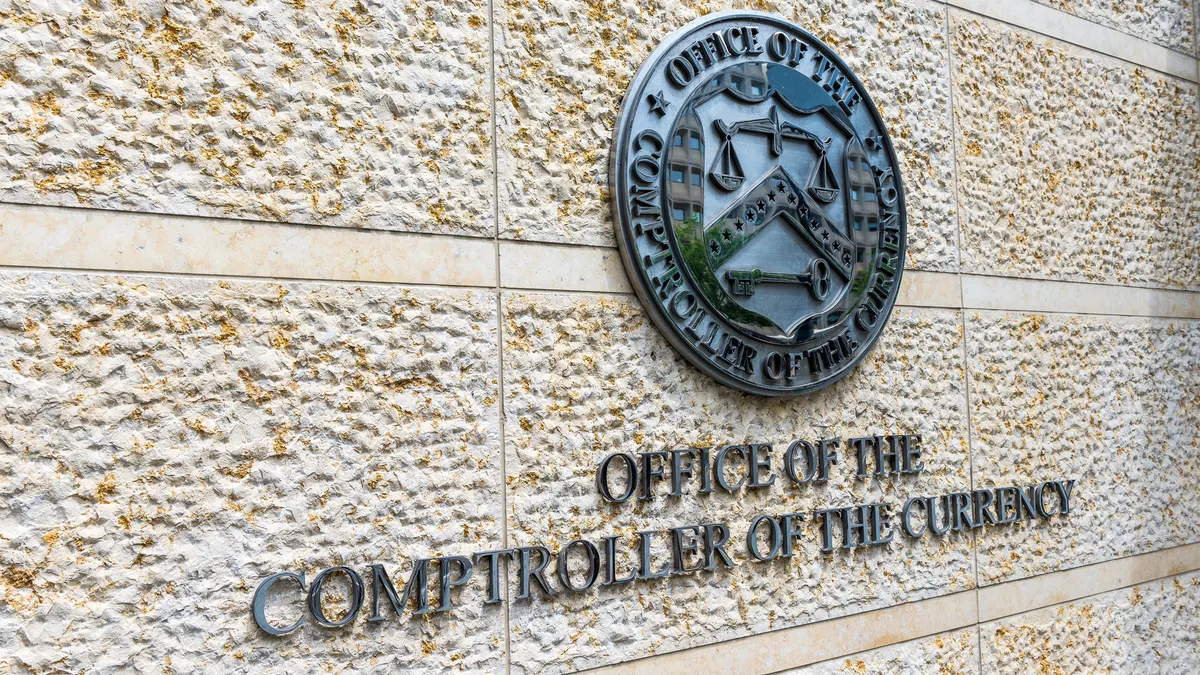
Zerohash, a cryptocurrency service provider that counts Morgan Stanley, Stripe and Franklin Templeton among its partners, has applied for a national trust bank charter with the Office of the Comptroller of the Currency, the company announced Wednesday.
Stephen Gardner, Zerohash’s chief legal officer who’s been tapped to serve as the trust bank’s CEO, called the application a “natural next step in offering robust global licensing coverage and continuing to expand our product offering.”
The application comes, though, as the leader of a bank trade group leveled a strong statement against the influx of trust charter activities at the OCC.
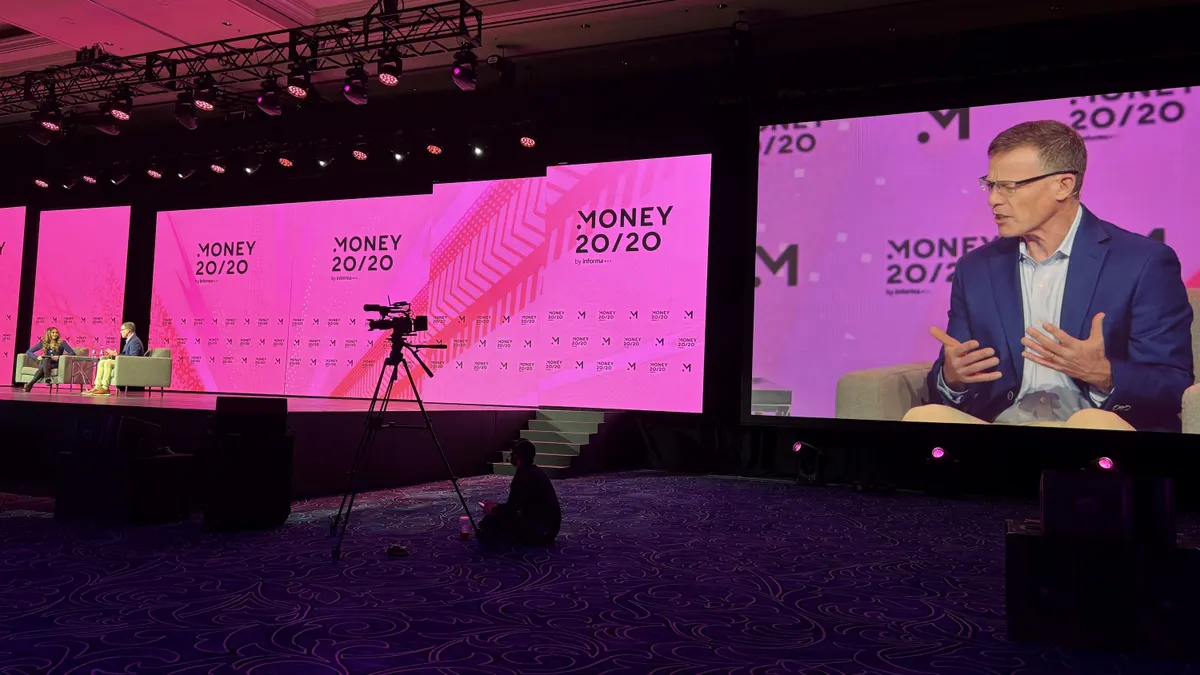
In a speech Tuesday to the Carolina Bank Directors Forum, Conference of State Bank Supervisors CEO Brandon Milhorn called recent changes to the OCC’s chartering process “hardly innocuous.”
Referencing a final rule the OCC issued last week, Milhorn cited what he sees as an incremental expansion of chartering authority the agency has taken since the 1860s.
“Now, the OCC seems to think that they can take bits and pieces of all these authorities and cobble them together in any number of ‘Franken-charters,’” Milhorn said Tuesday. “But that is inconsistent with the history of the National Bank Act and the OCC’s specific, limited chartering authority.”
Last week’s final rule, Milhorn said, “refuses to recognize any potential limitations.”
“Under the rule, the OCC will decide – on a case-by-case basis as it reviews each future charter request – if the National Bank Act places any limits on the applicant’s activities,” Milhorn said. “The OCC appears … to reserve to itself unfettered discretion to allow trust banks that are also payment stablecoin issuers to engage in activities beyond those specifically delineated in the GENIUS Act.
“When will we know what activities the OCC has authorized? Only when the OCC approves a charter?” Milhorn asked. “Given the opaque nature of the publicly available portion of charter applications and the vague nature of OCC approvals, maybe not even then.”
Under a trust charter, Zerohash would be able to provide digital asset custody services, staking, transfer agent services and stablecoin management, according to the OCC application. The company would not, however, be allowed to take customer deposits or engage in commercial lending.
The charter would let Zerohash operate under a single federal framework rather than a patchwork of state money transmitter licenses.
Zerohash’s application comes shortly after its highest-profile partner, Morgan Stanley, similarly filed for a trust bank charter. The two companies’ alliance, forged last September, is meant to allow crypto trading on Morgan Stanley’s E*Trade platform.
At least 18 banking charter applications were filed last year at the OCC, and several more have followed in 2026.
The agency in December conditionally approved Circle Internet Group, Ripple, Paxos Trust, BitGo and Fidelity Digital Assets to receive national trust banking charters. Stripe subsidiary Bridge and Crypto.com each received a conditional green light last month.
Meanwhile, firms continue to apply, including cross-border platform Payoneer in February and Nomura offshoot Laser Digital in January. In a controversial move, World Liberty Financial, led by the family of President Donald Trump, also applied for a national trust banking charter in January. That’s drawn blowback from some of the White House’s political opponents.
“Stablecoins and digital assets are increasingly becoming part of the core financial system,” Gardner said in a statement Wednesday. “Zerohash looks forward to continuing to engage constructively with OCC staff throughout the review process and appreciates their consideration of the application.”